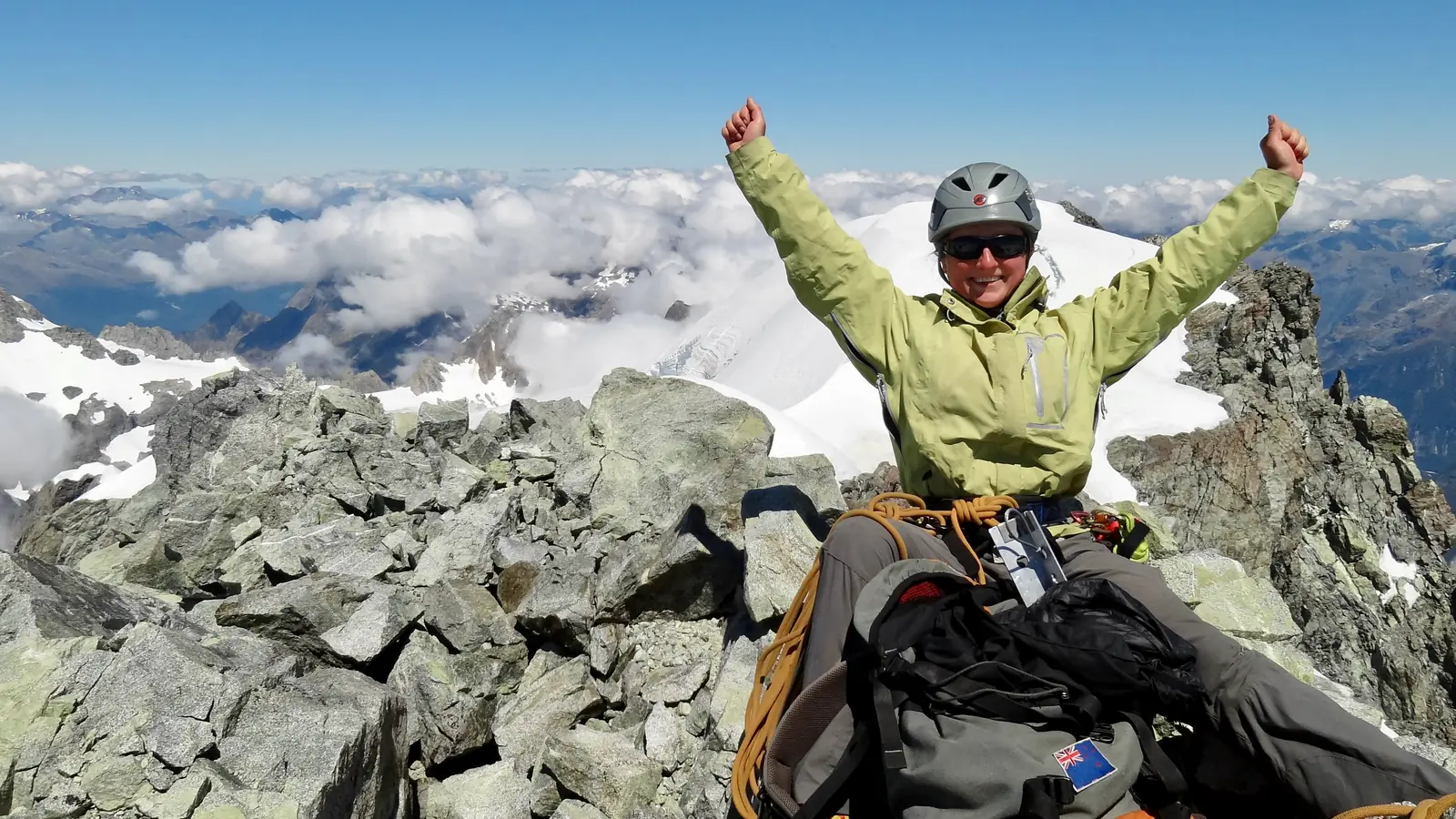
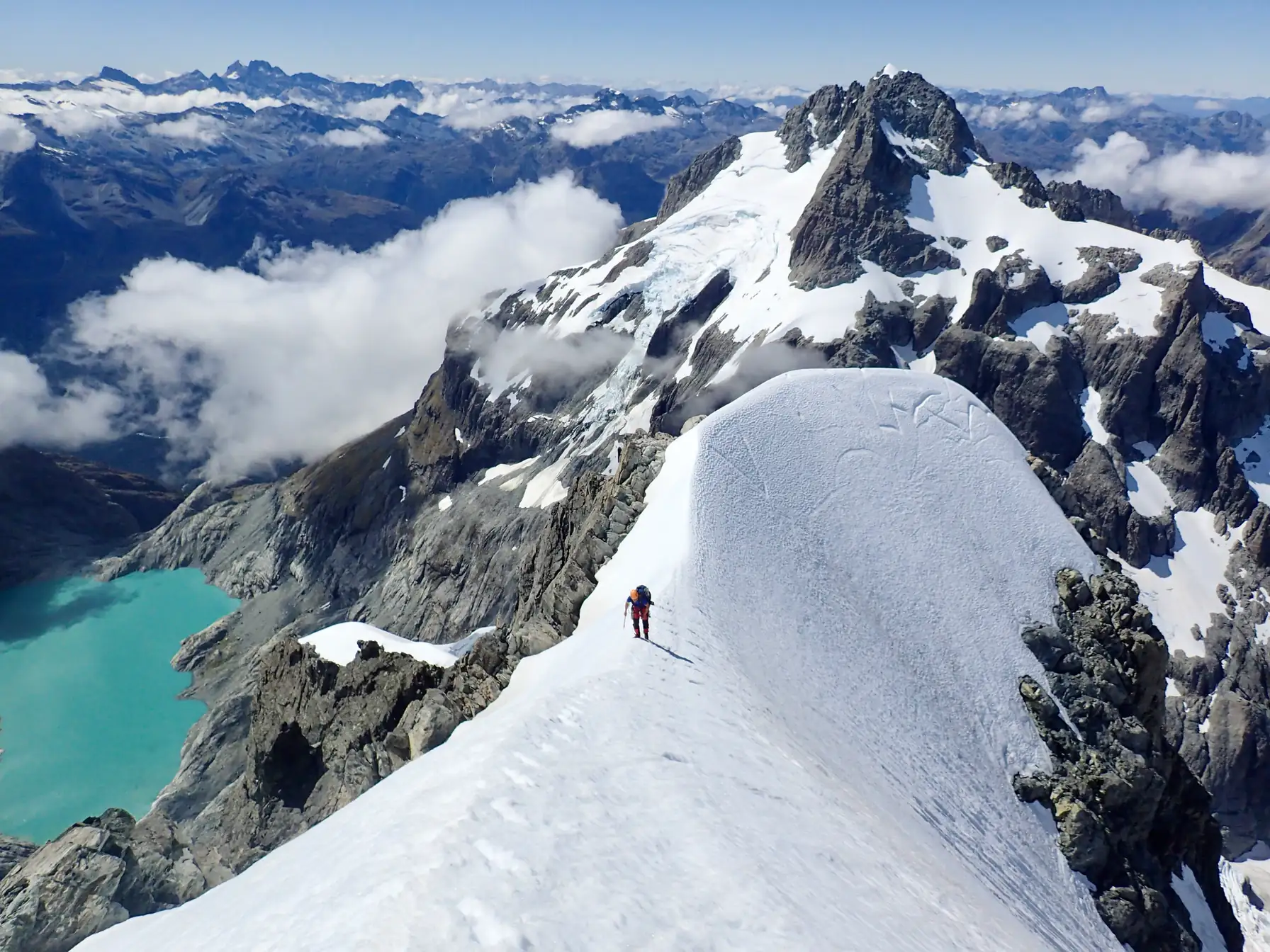
Five days packed with adventure. Kiwis would have no hesitation in calling it ‘epic’. It was intense, varied, beautiful and dangerous.
Finding Tutoko in a rescue book
I first saw a photo of Tutoko’s summit in Phil Melchior’s Mountain Rescue, a book about missions carried out by New Zealand’s Search and Rescue teams.
"Beautiful mountain," I thought.
And hardly known, too. It intrigued me so much that I knew straight away: I had to go there!
Pole vaulting at the end of the world
Tūtoko literally means "pole vault" in Māori. Yes, Māori had their own traditional form of jumping with a pole. The Encyclopedia of New Zealand lists it alongside running, wrestling and long jumping as one of their traditional physical activities. The mountain, though, bears the name of a Māori chief, rather than an athletic event.
Tūtoko was a chief of the Ngāi Tahu tribe. He lived with his family on the west coast of New Zealand’s South Island. In 1863, the explorer and geologist James Hector arrived in the area. Tūtoko and his family welcomed him into their home, and Hector repaid their hospitality by naming the mountain after his host.
Five days of an alpine mission
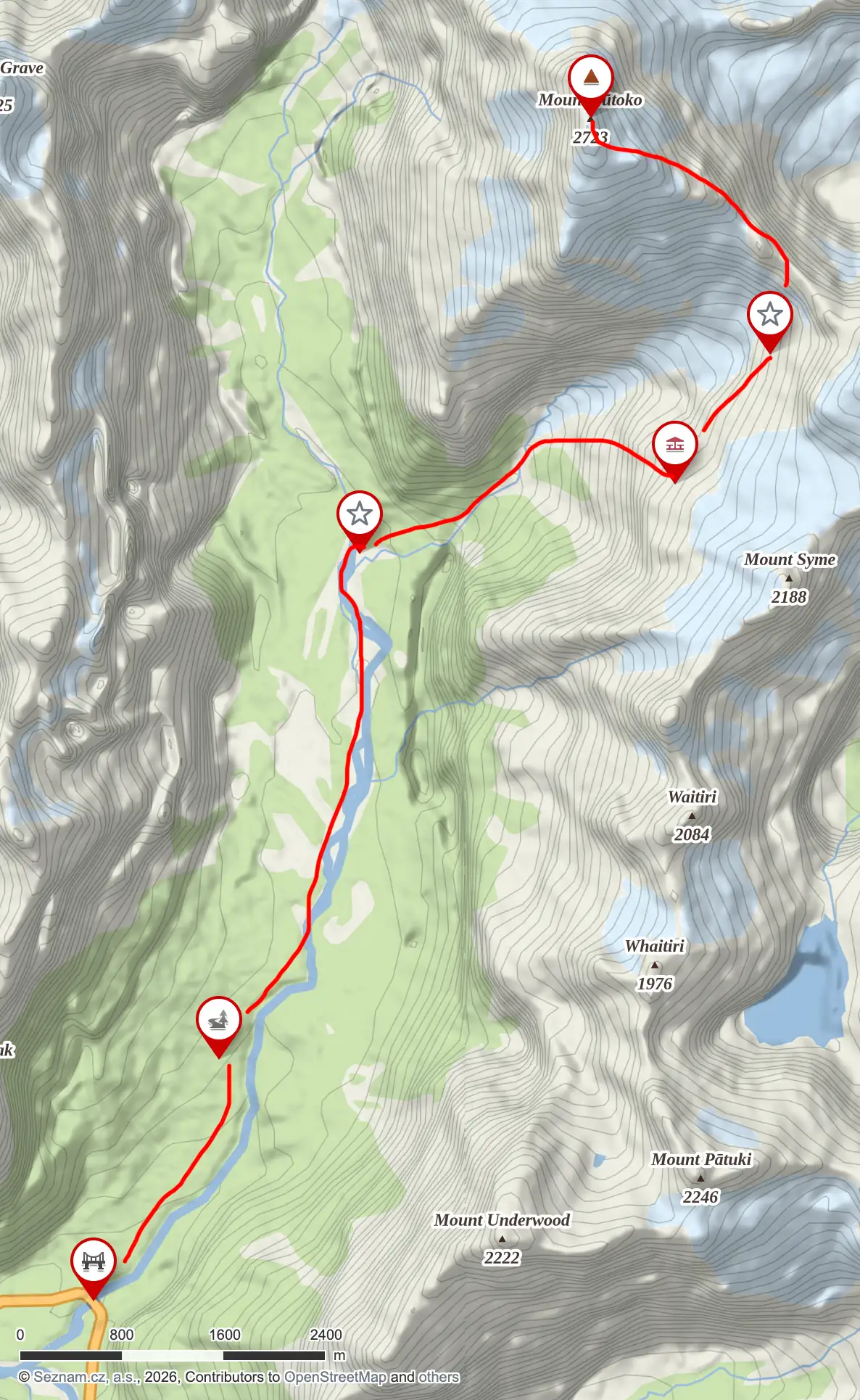
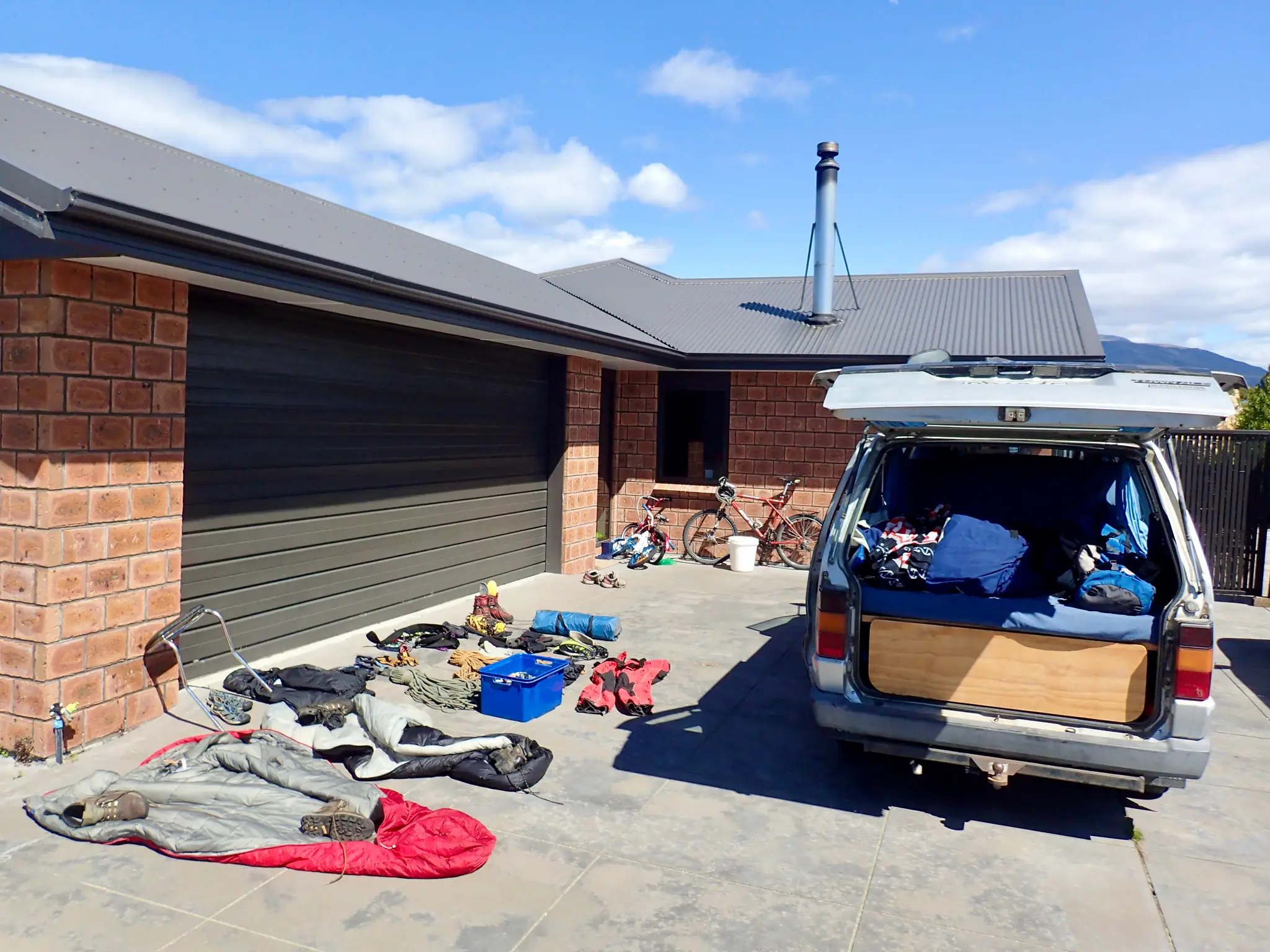
Willi and I set off for Tutoko in January 2016. We had five days of good weather ahead of us and packs full of gear. Our objective was to climb to the summit via the south-east ridge.
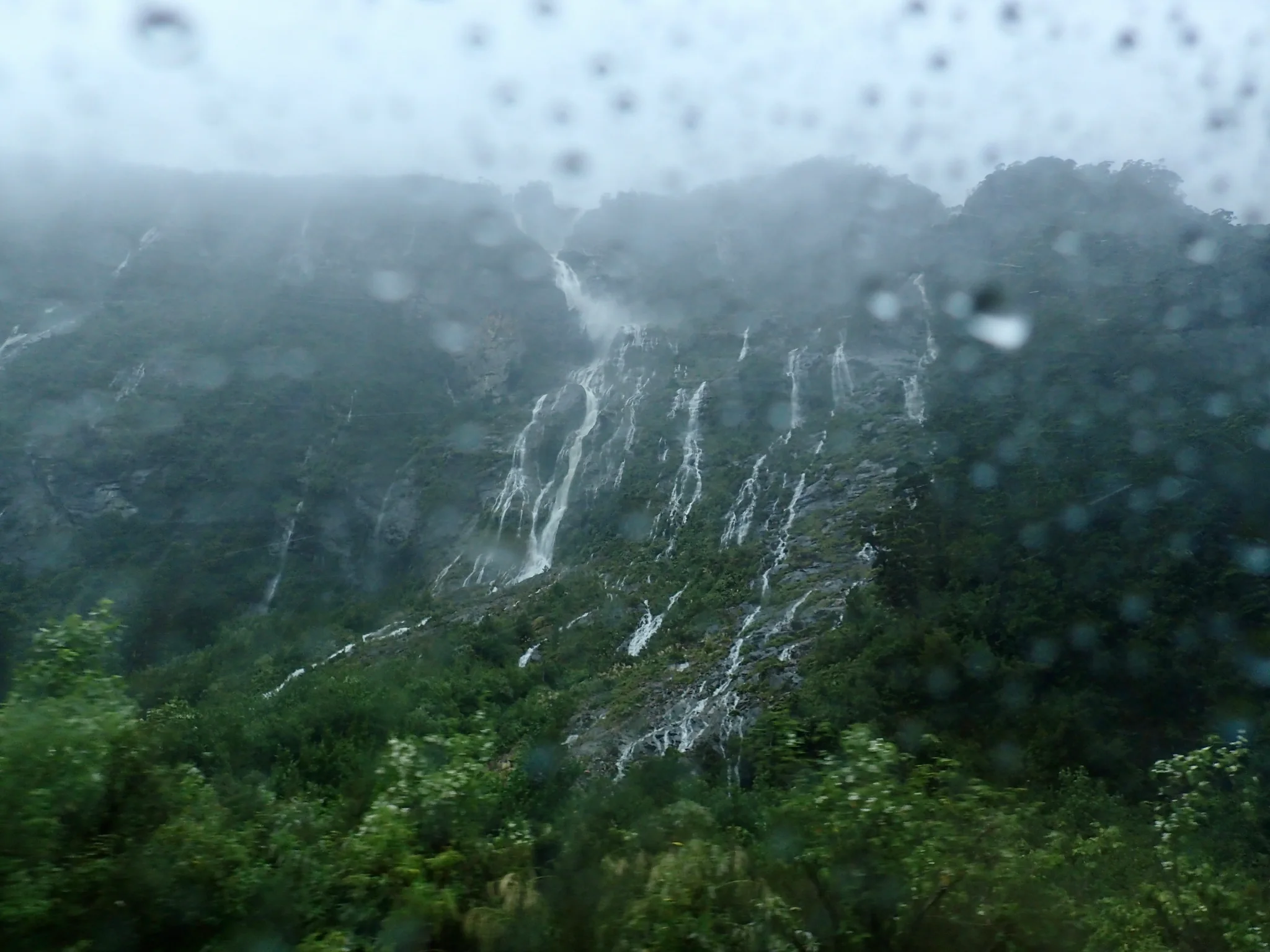
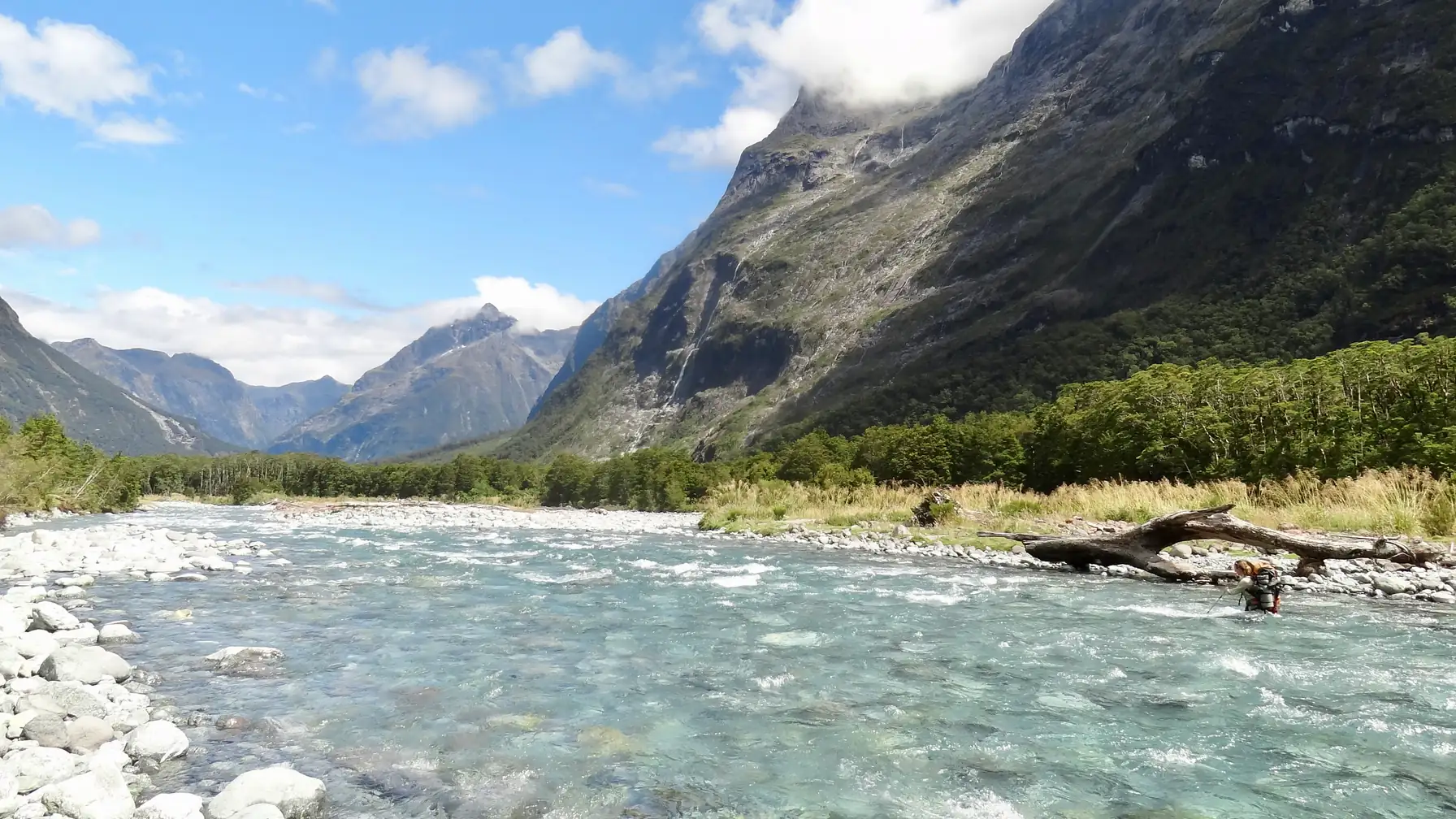
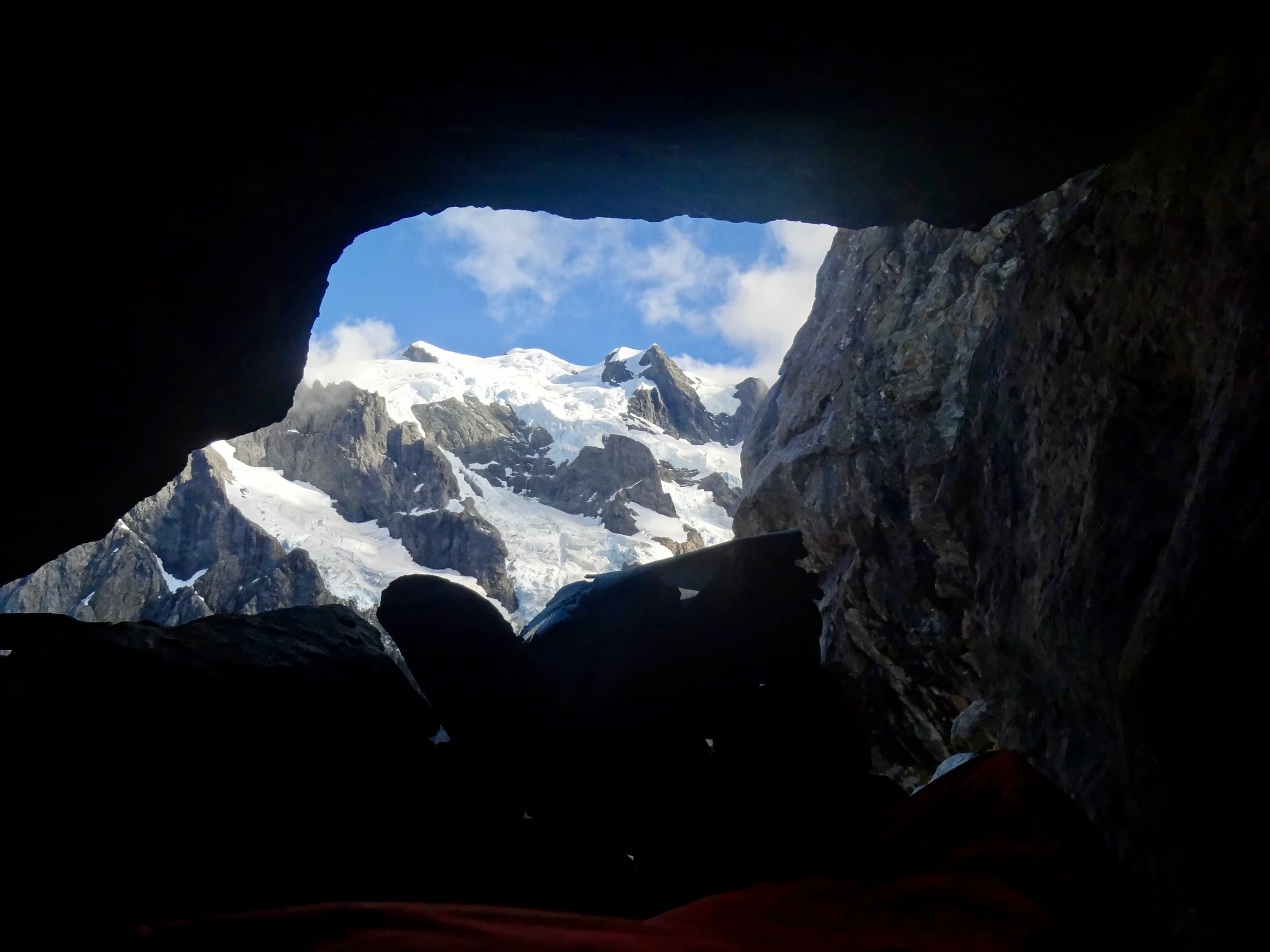
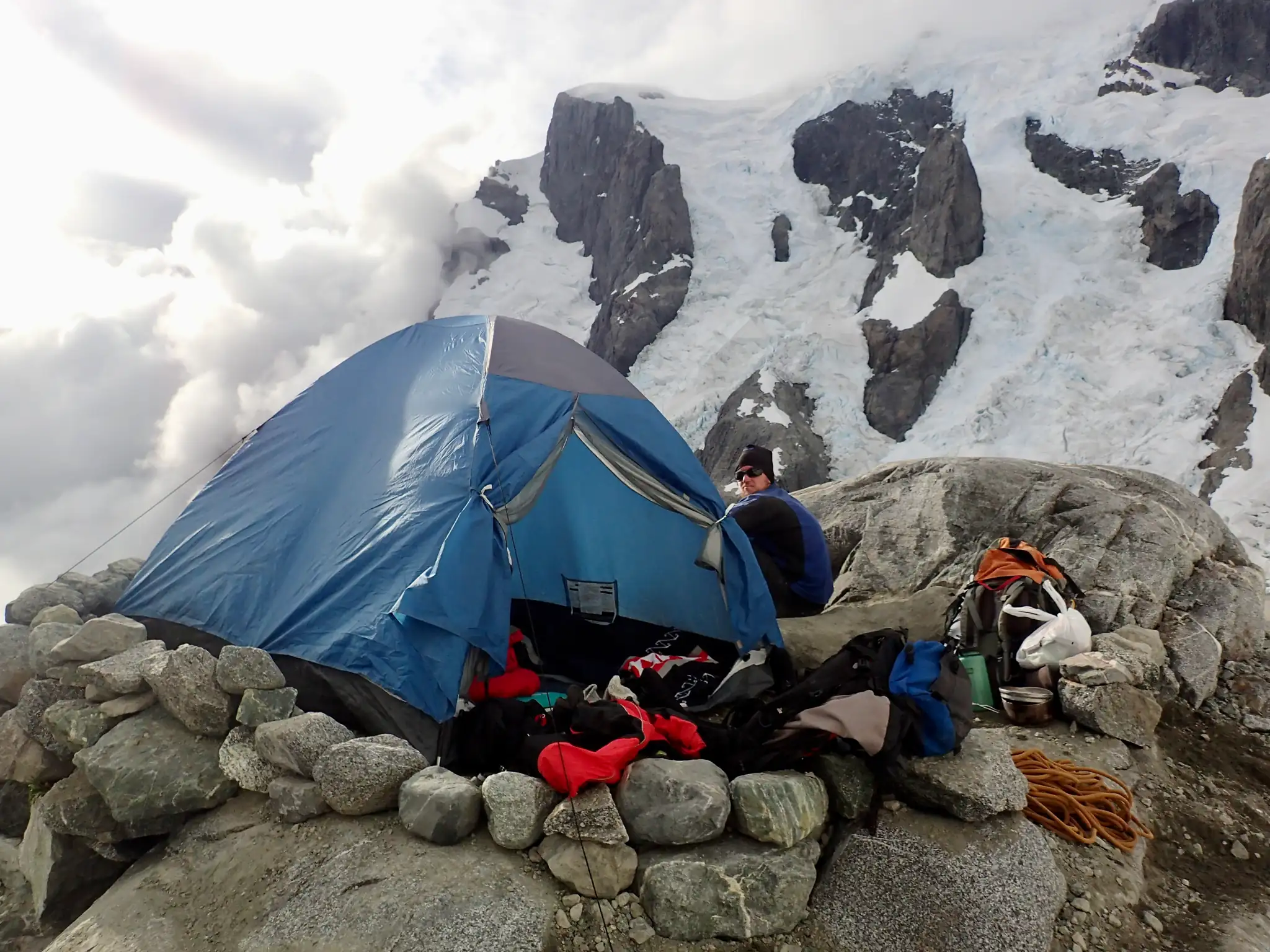
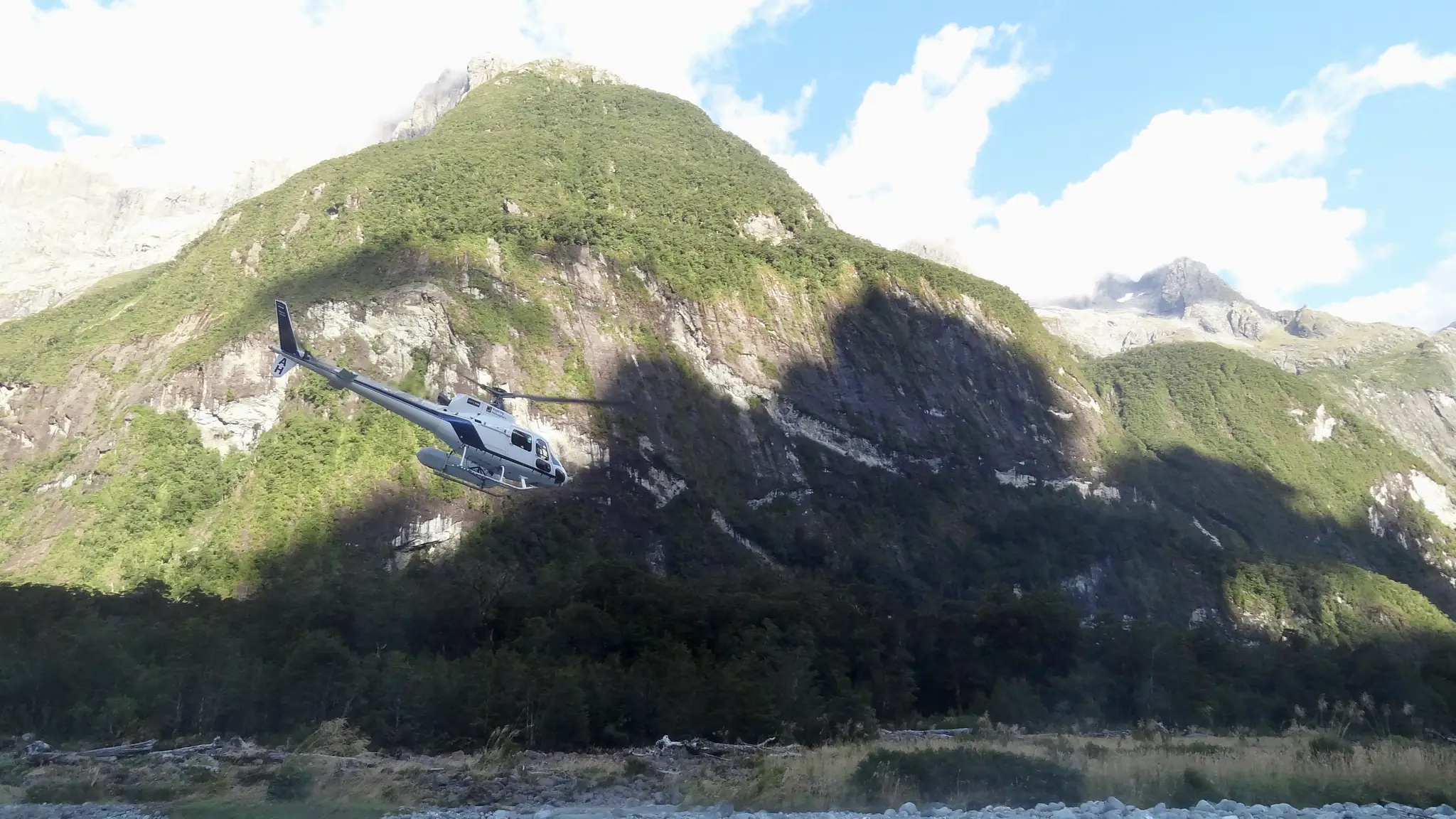
First came a fast-flowing river, a forced (but atmospheric) bivouac, bushbashing and steep rock bluffs. Higher up, a cosy rock bivouac with a view, a tent pitched on a rock face and the search for a way through a maze of crevasses and seracs. Then rock and ice climbing and a knife-edge snow ridge. All surrounded by a sea of clouds and turquoise lakes.