Rock beneath the seracs
We slept in, since there was no need to rush. Today’s goal was to get as close as possible to Tutoko’s south face. In practice, that meant a short distance to cover.
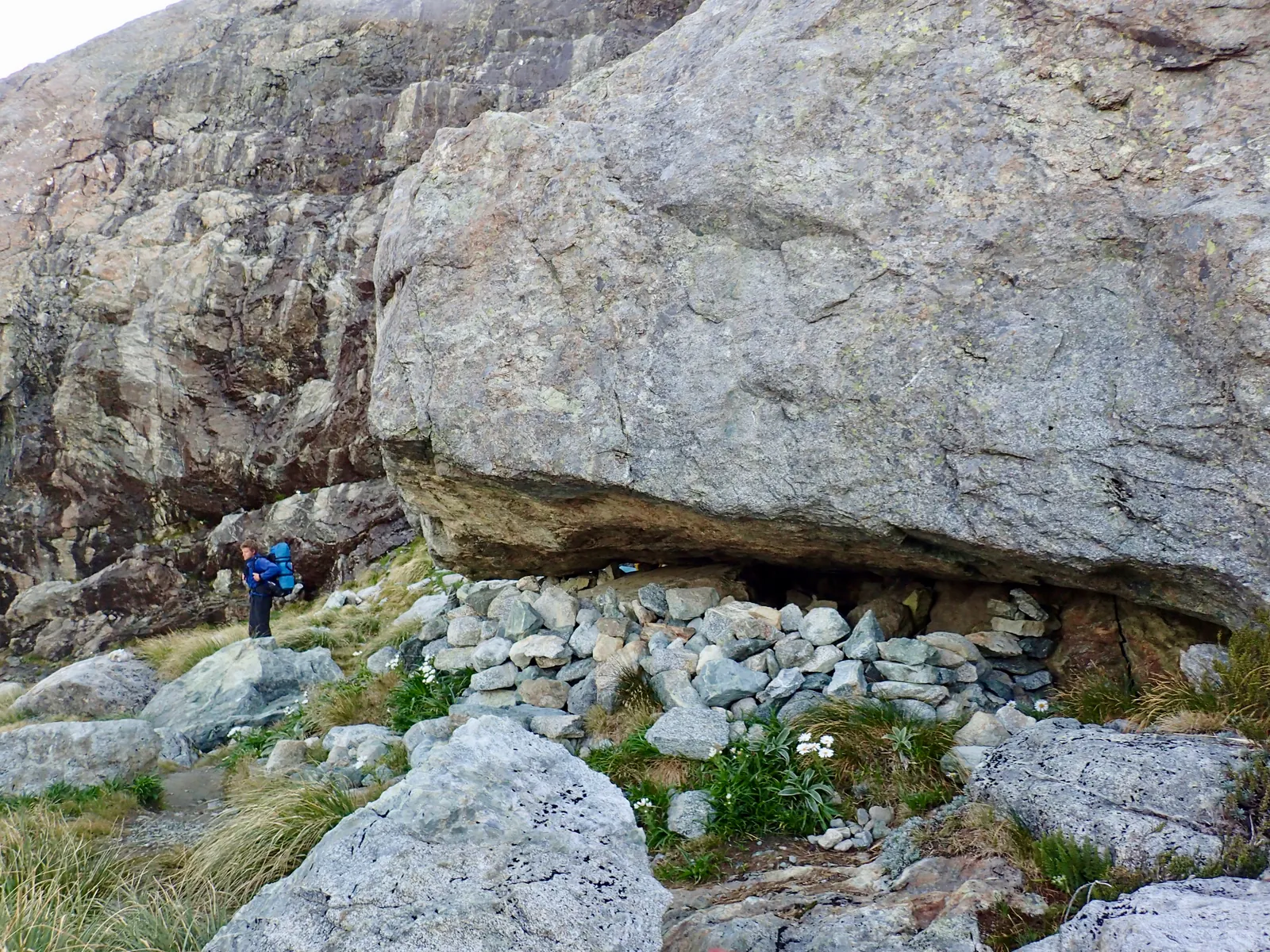
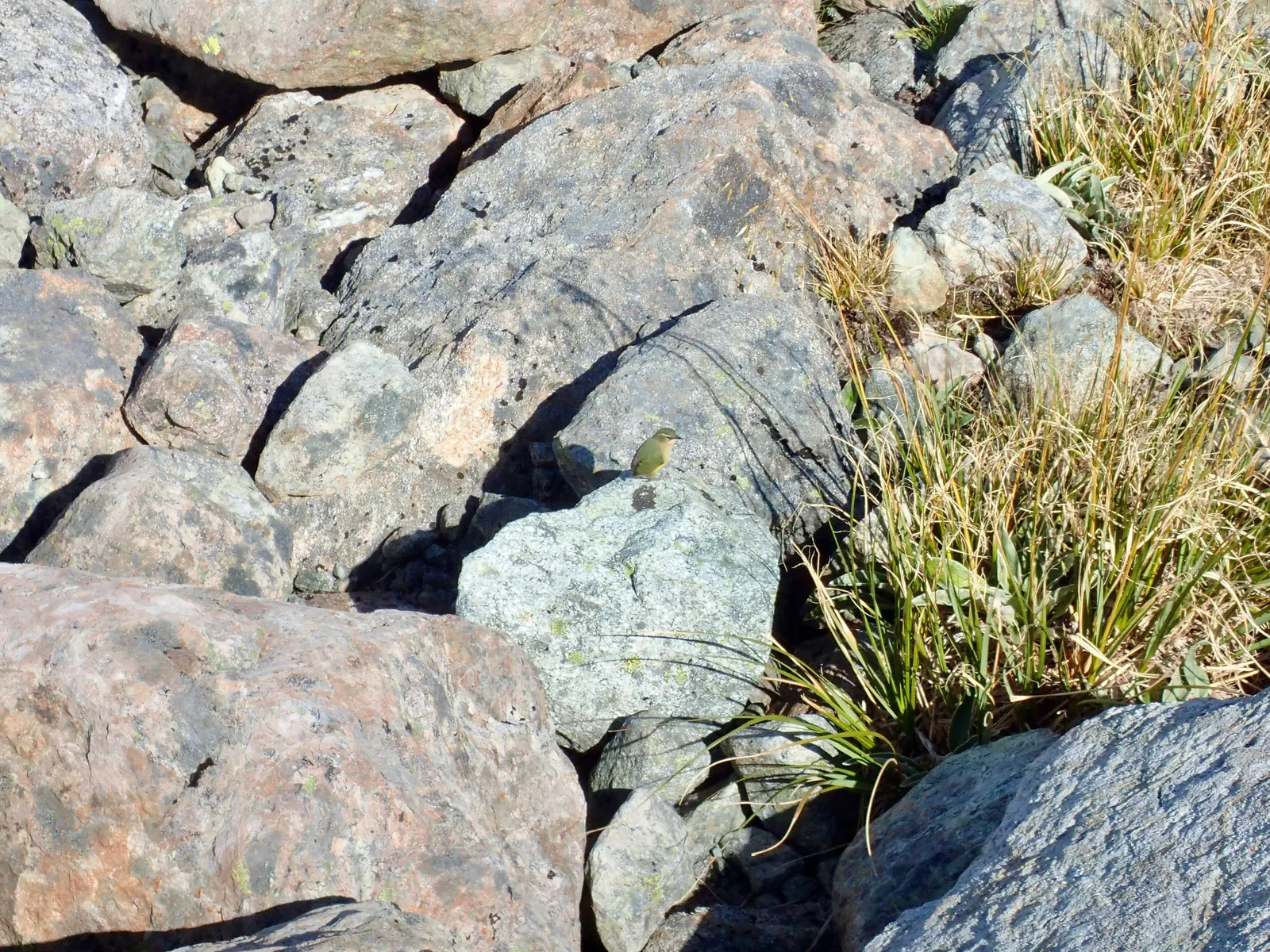
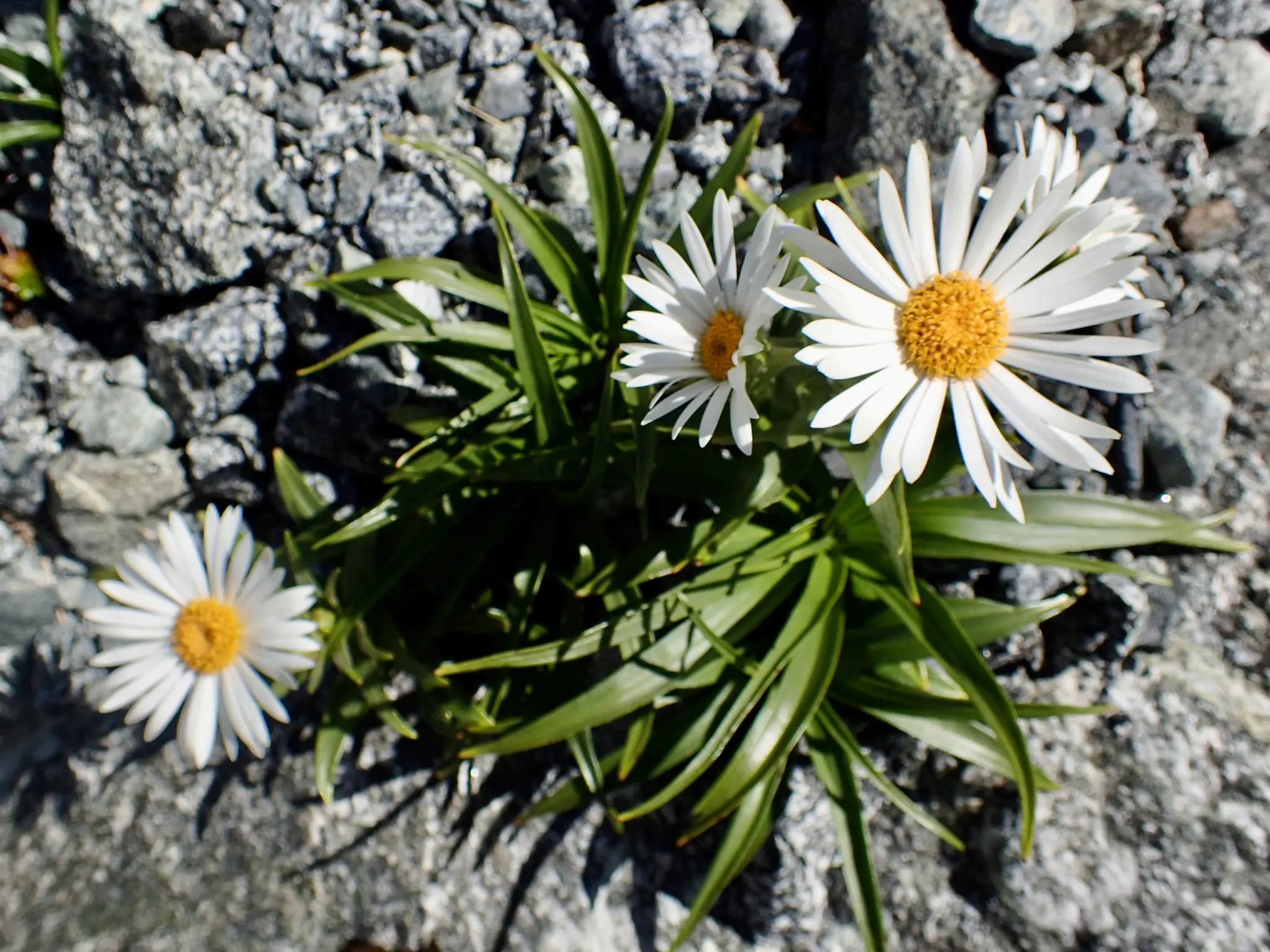
The weather was good. I went to look around. As a bonus, not far from our rock bivouac, I spotted a rock wren, an endearing little bird native to New Zealand’s mountain regions. Rock wrens are very rare, and their inaccessible habitat makes them hard to see. An encounter like that is all the more satisfying.
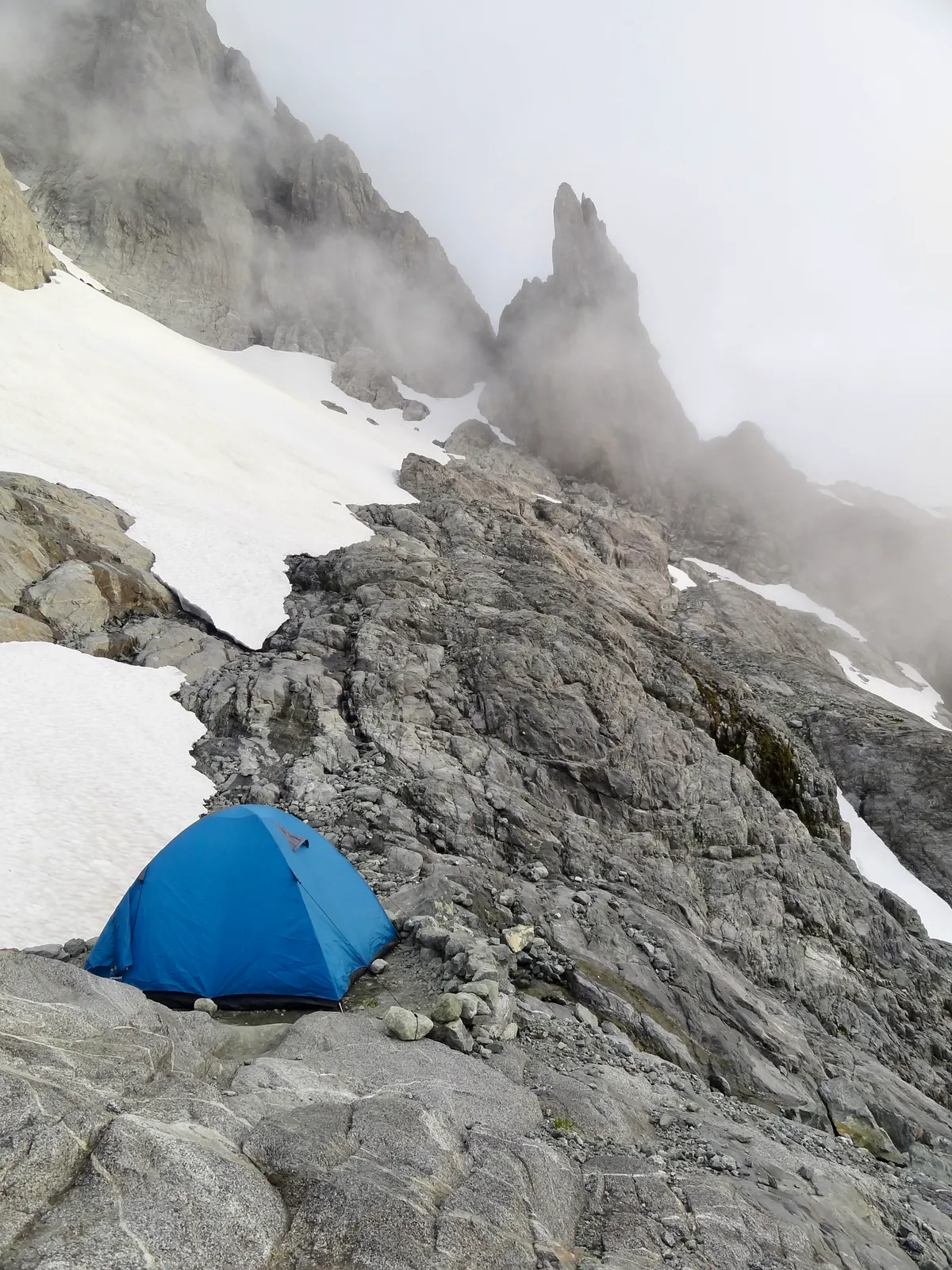
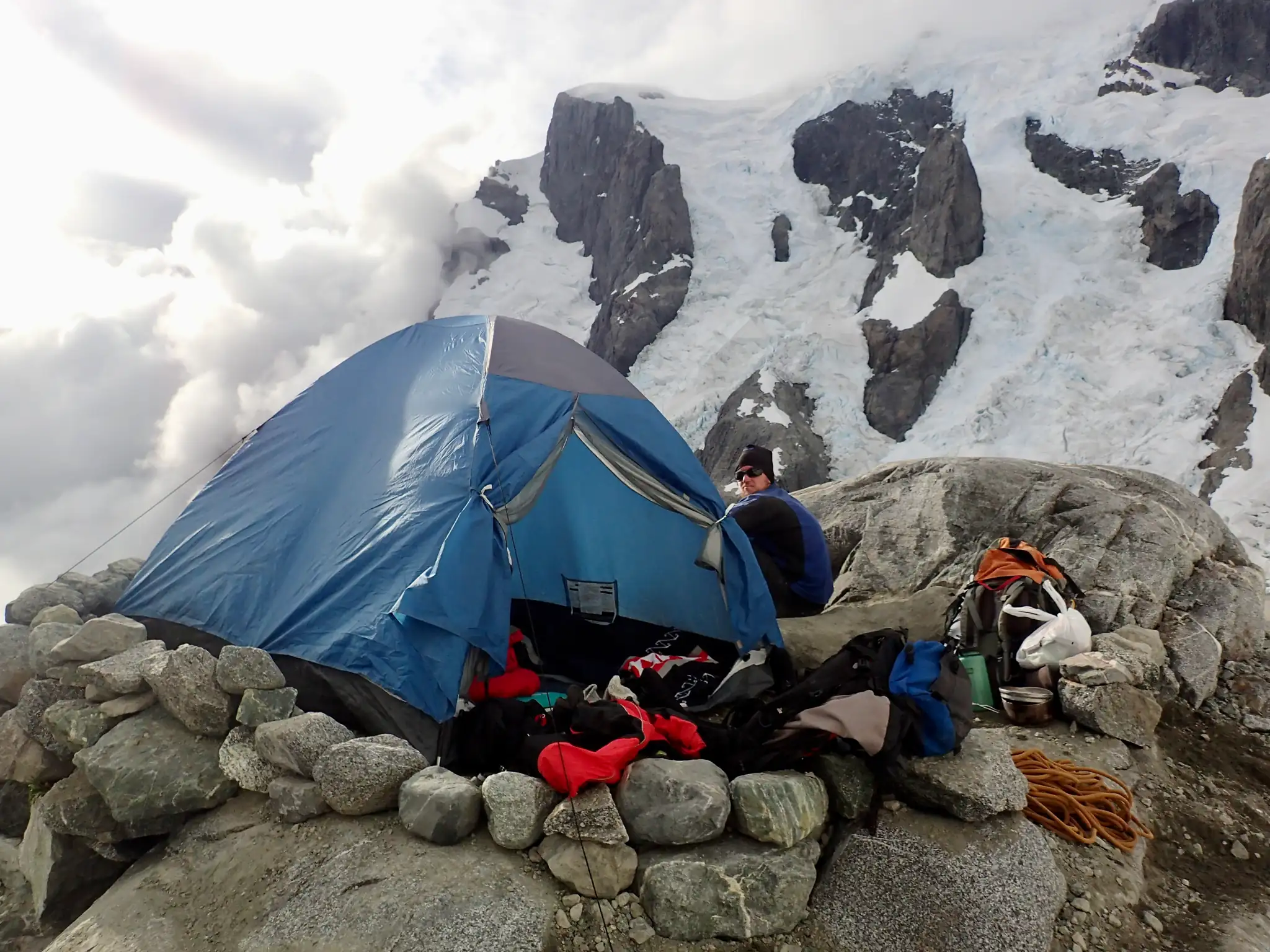
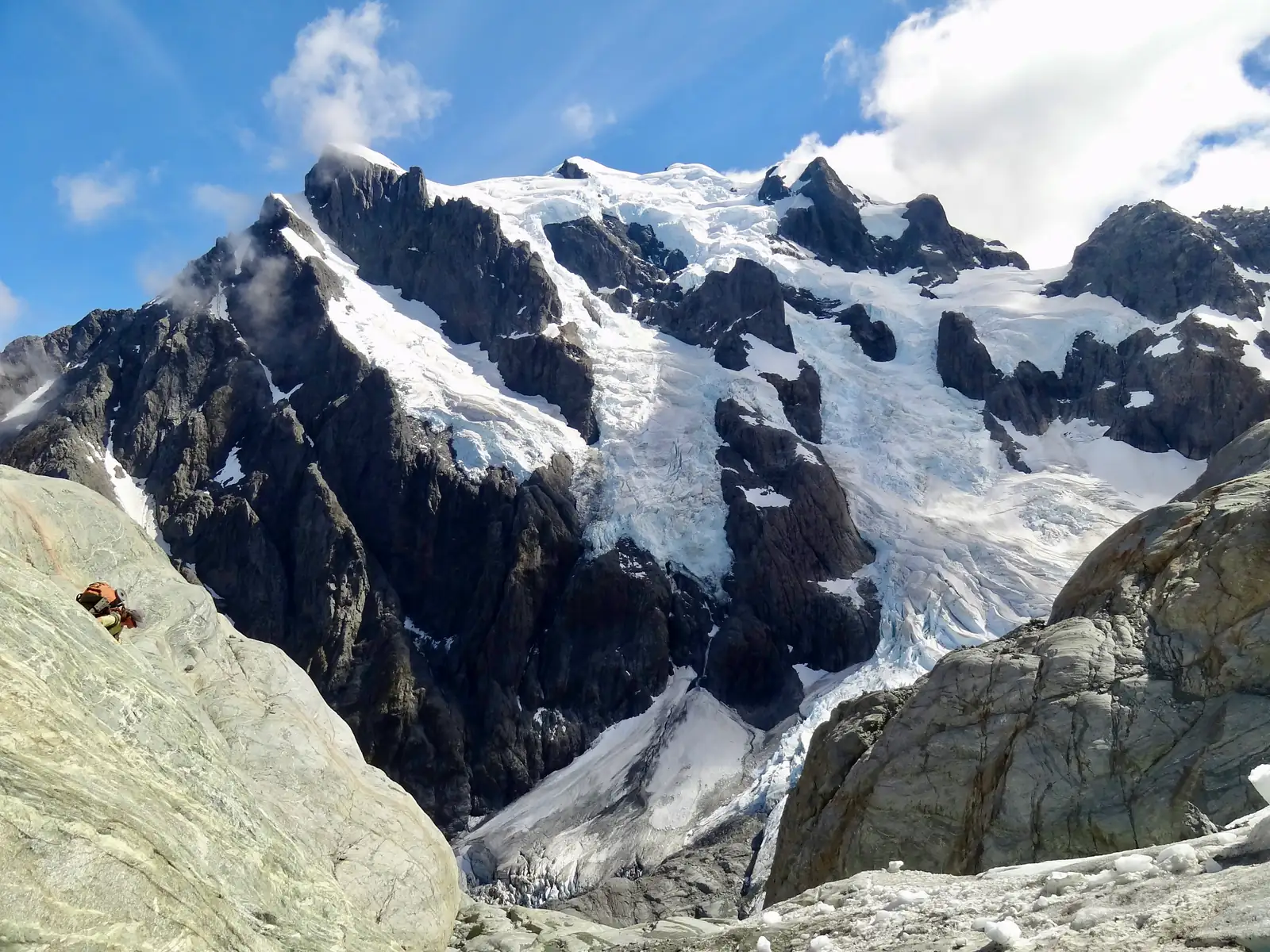
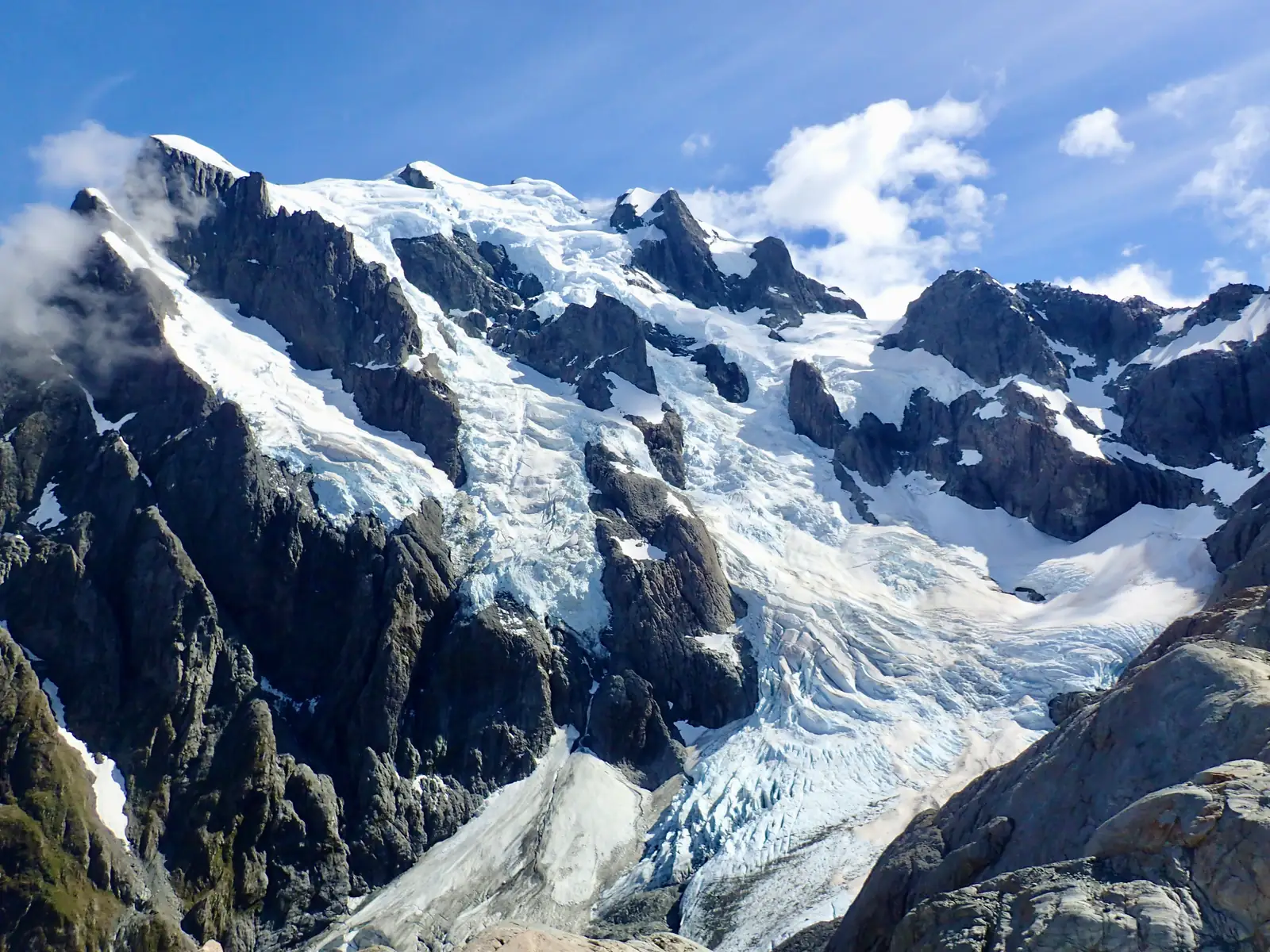
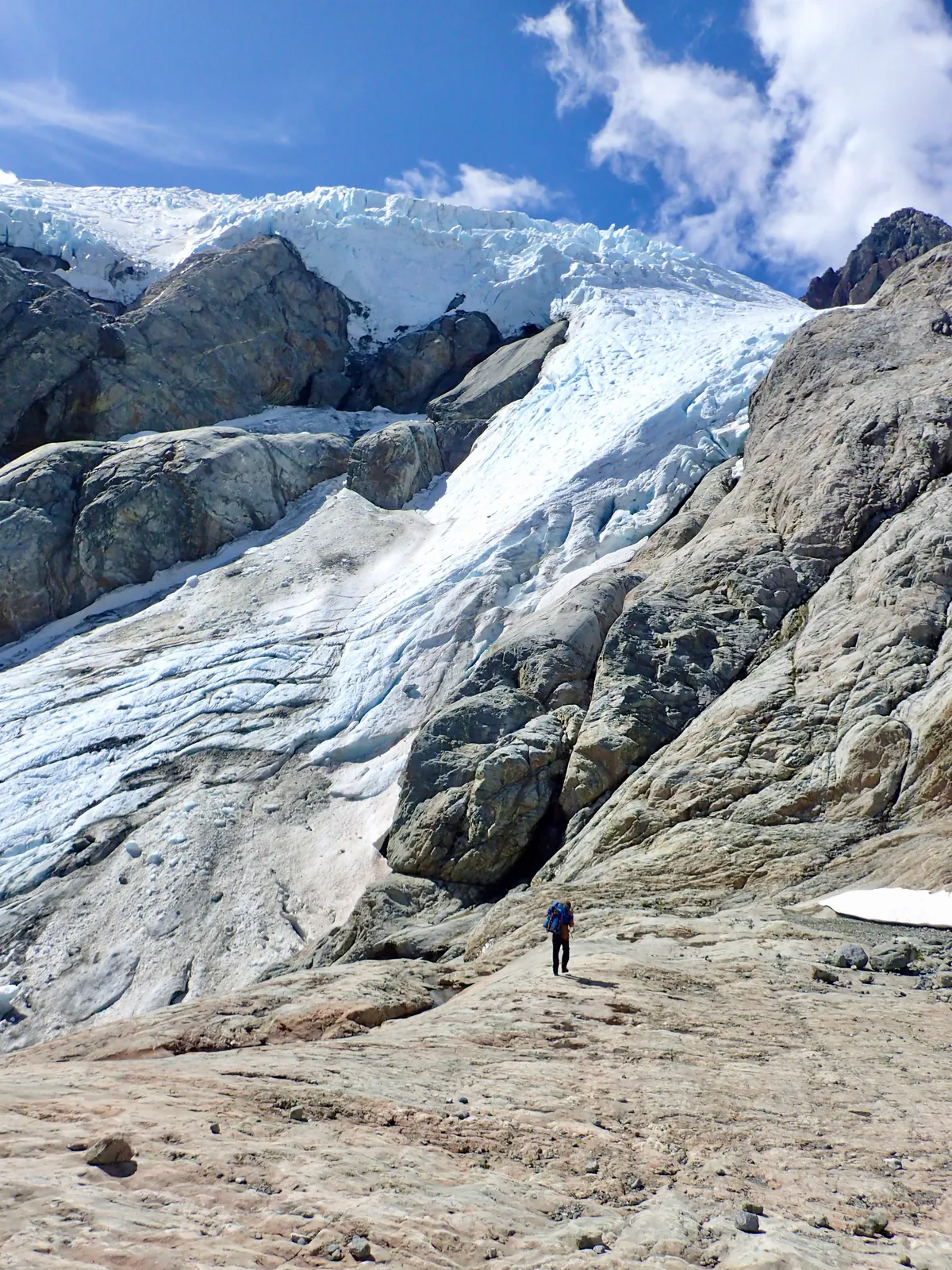
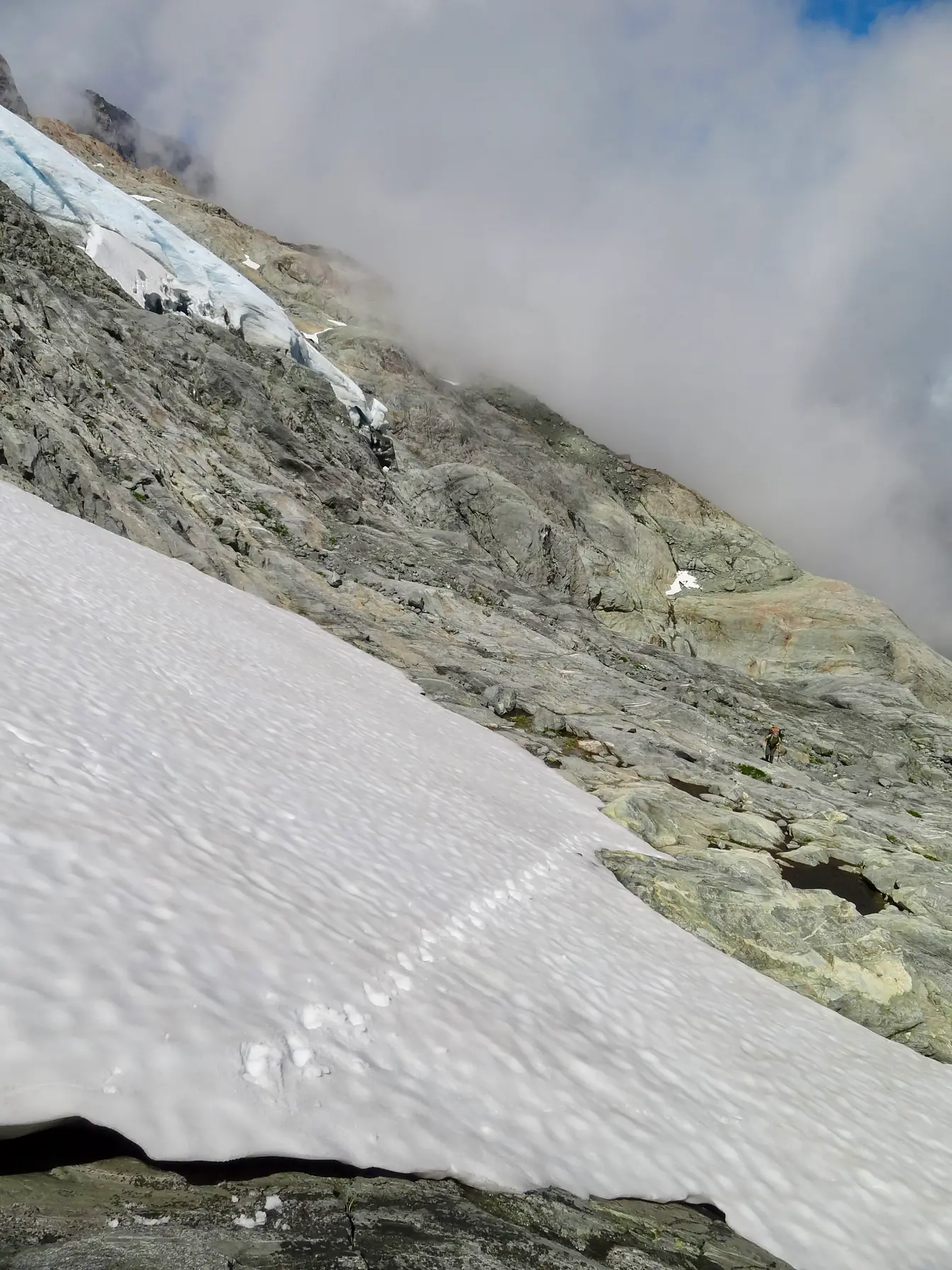
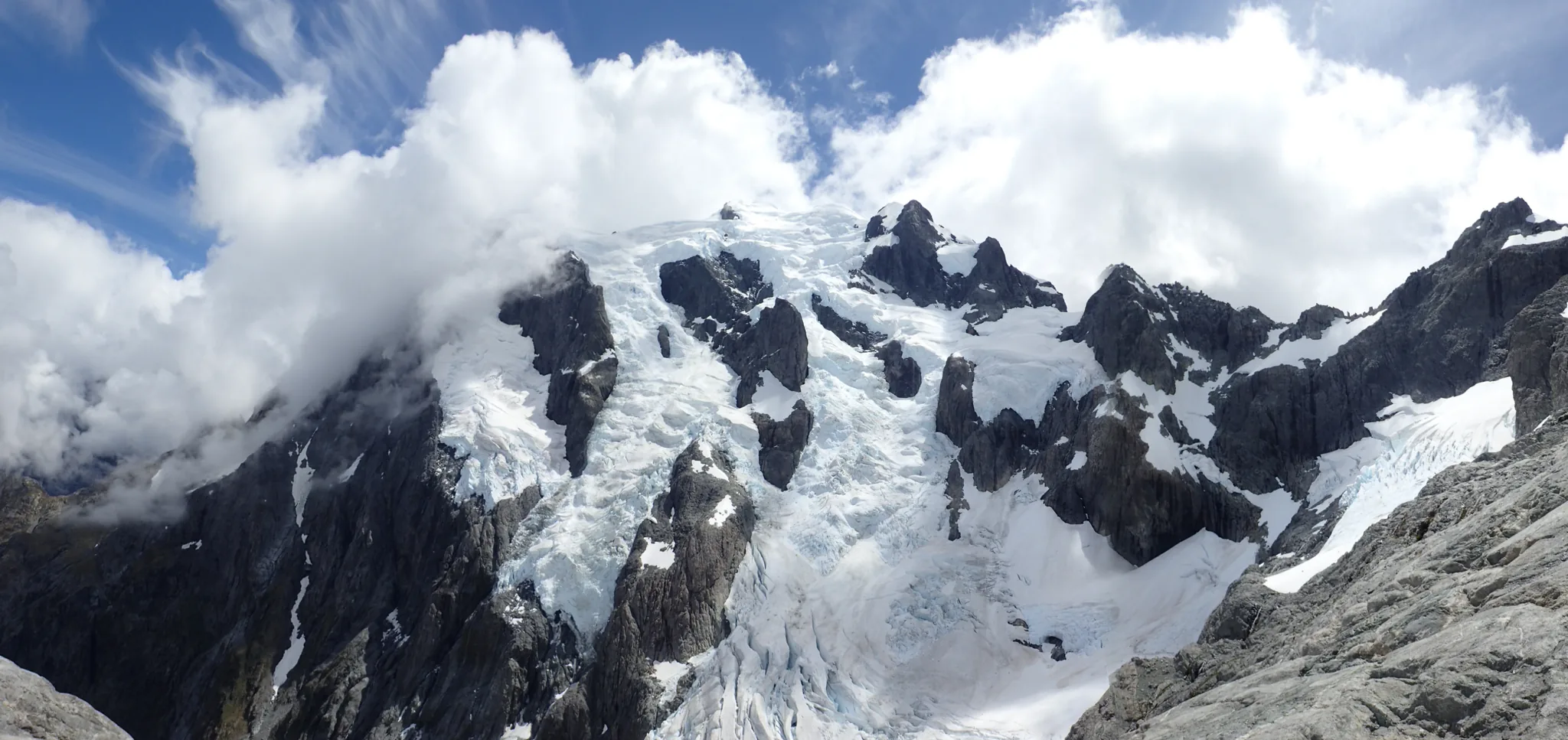
We set off around eleven. After three and a half hours of traversing smooth rock ledges, we found the ideal spot for our tent. The south face was in full view. We could get a good look at the route to the summit.
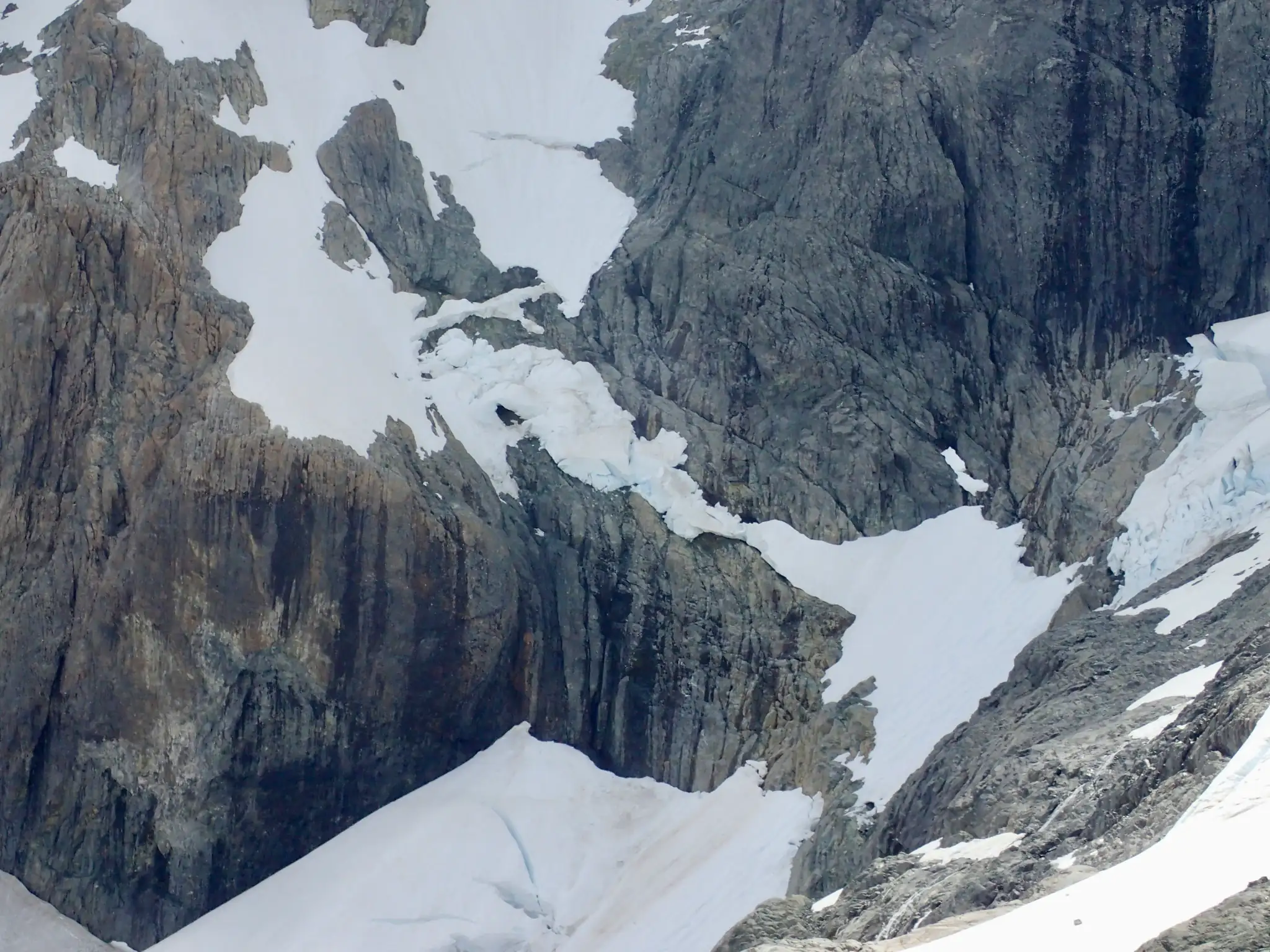
At first glance, it didn’t look encouraging. It seemed more like a maze of crevasses and seracs than a solid alpine classic. We began looking for a passage that would get us onto the ridge reasonably safely. We took photos and used digital zoom on the camera screens to assess the conditions. Our provisional choice was a line over rock, then through a band of seracs onto the slope and up to the ridge.
The wrong stone
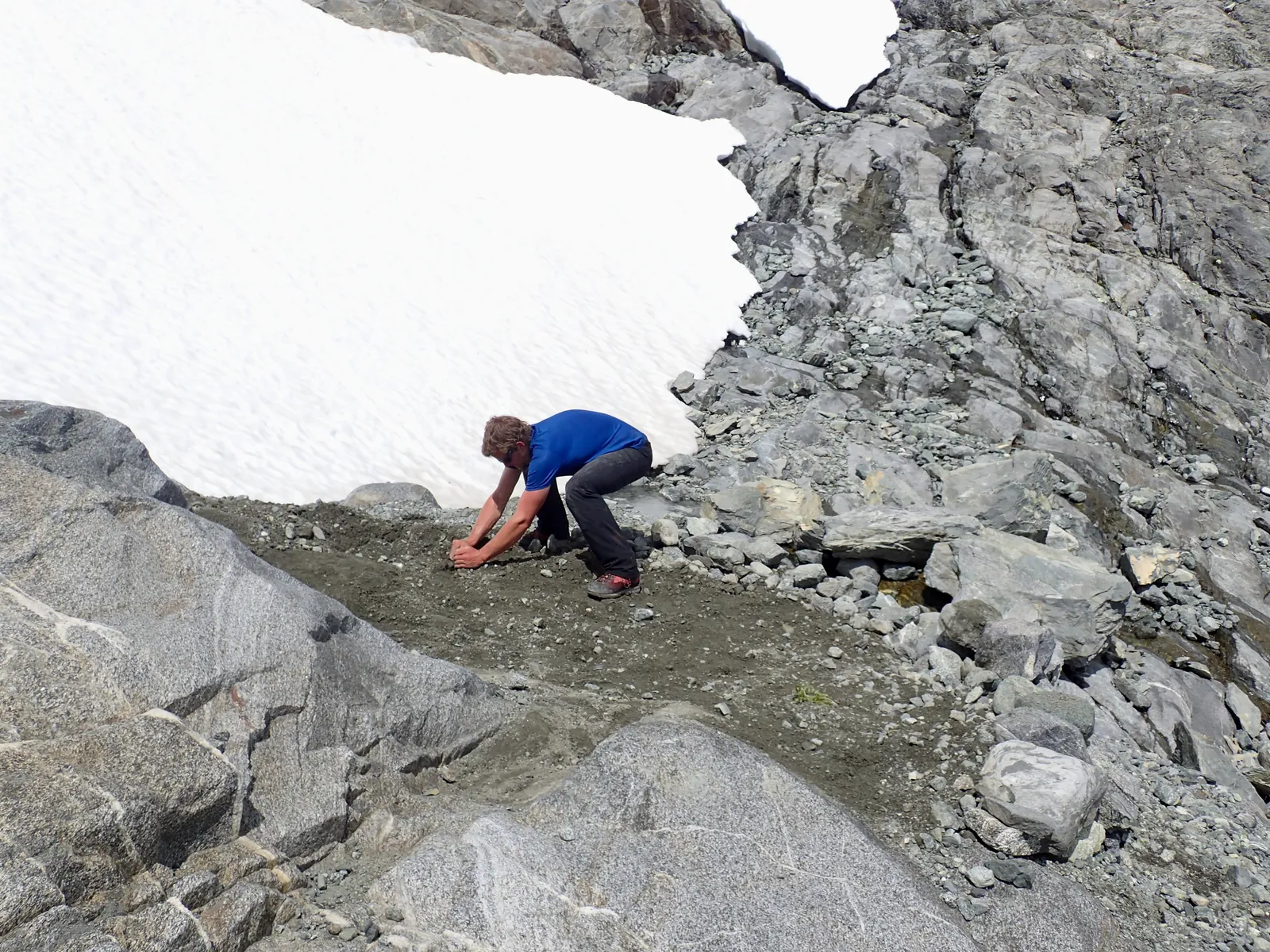
Willi started building a platform for the tent. Between the boulders, right beside a patch of snow, he cleared and levelled the ground.
I joined in. In the heat of the moment, I removed a stone that turned out to be an important part of his engineering vision.
"You don’t have to help me if you don’t want to," he joked.
"But I do want to help! Just tell me what to do."
"Sit in the sun and be happy."
That was a pretty good option, so I didn’t argue. I spread my fleece blanket on a large, flat rock and watched the surroundings, fascinated.
Seracs broke off with a crack that filled the whole valley. Every so often, small avalanches came down, luckily away from our route. Helicopters carrying tourists on scenic flights circled overhead. I took it all in and made notes.

The valley disappeared first
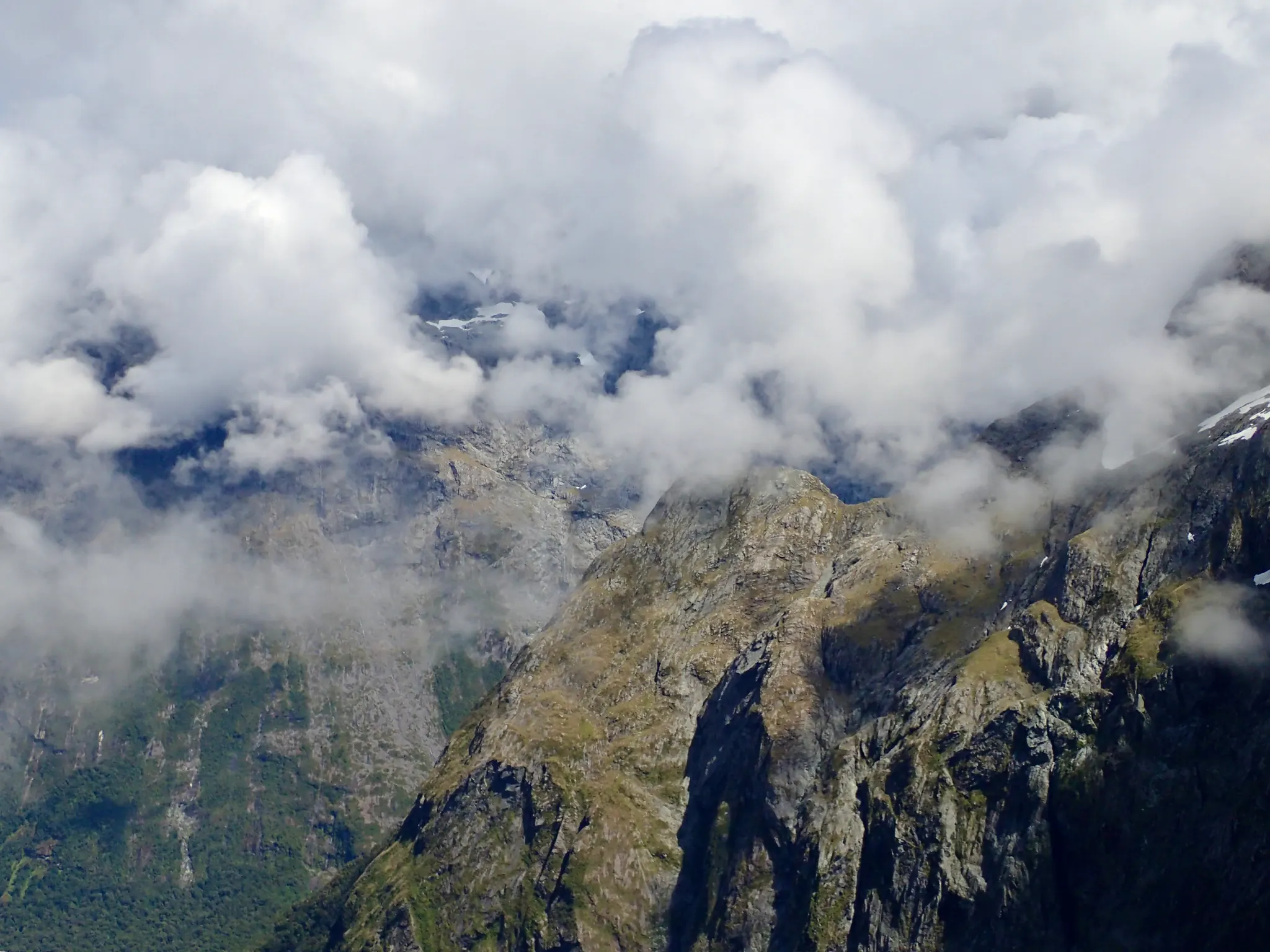
More clouds were gathering. I watched them move over the mountains and gradually hide them. We were preparing for a summit attempt, so stable weather was hugely important to us.
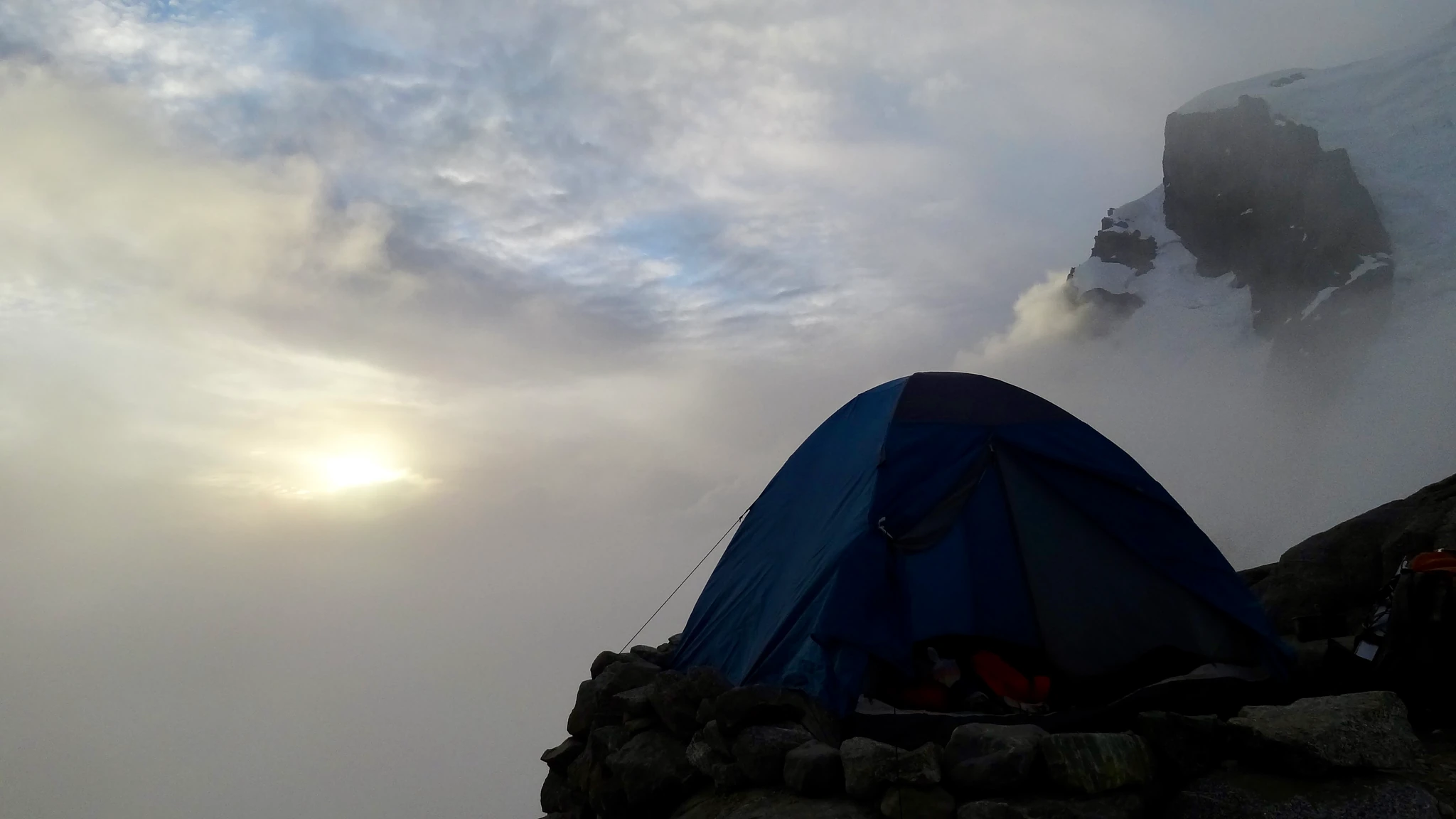
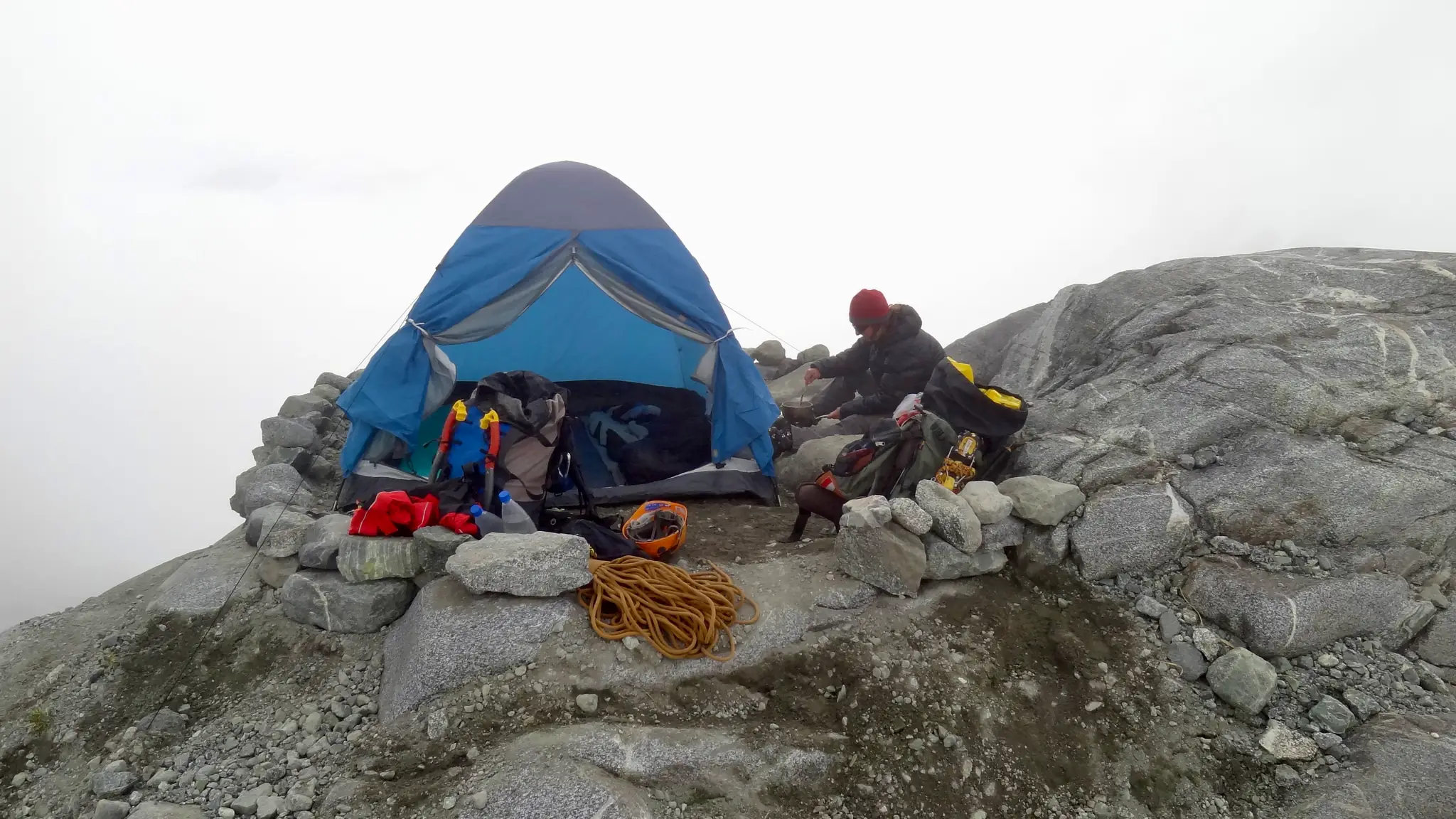
By four in the afternoon, the valley was completely filled with cloud. Only Tutoko’s summit showed through. There was one small hole in that white curtain, and the sun shone through it straight onto our camp. A light breeze was blowing.
Soon Tutoko’s summit disappeared too. Clouds surrounded us on all sides. Only directly overhead did a scrap of blue sky remain. The wind picked up.
We cooked dinner and went to sleep. In the early morning, we’d set off through the seracs, towards Tutoko.