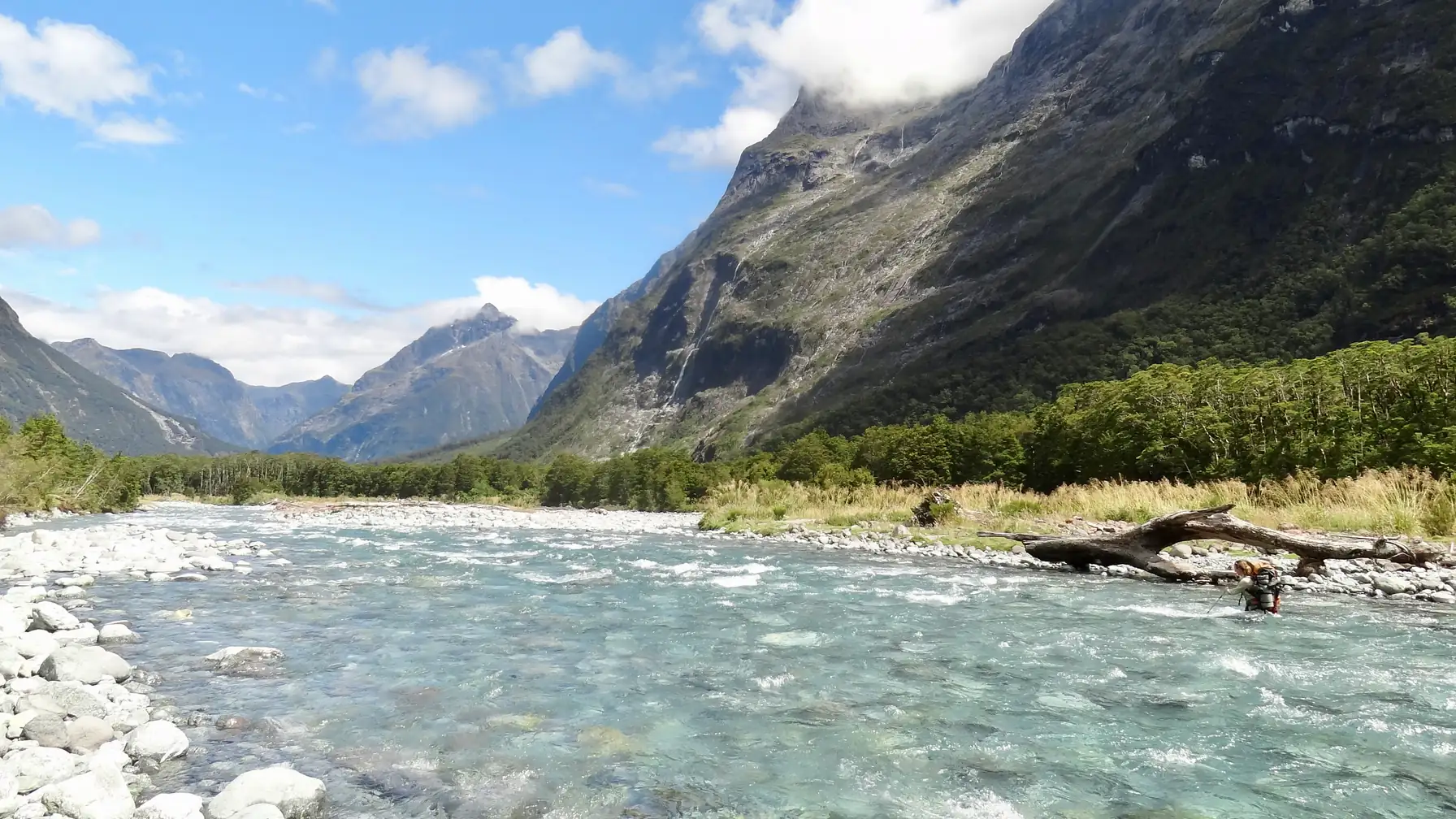
There was no shallower crossing
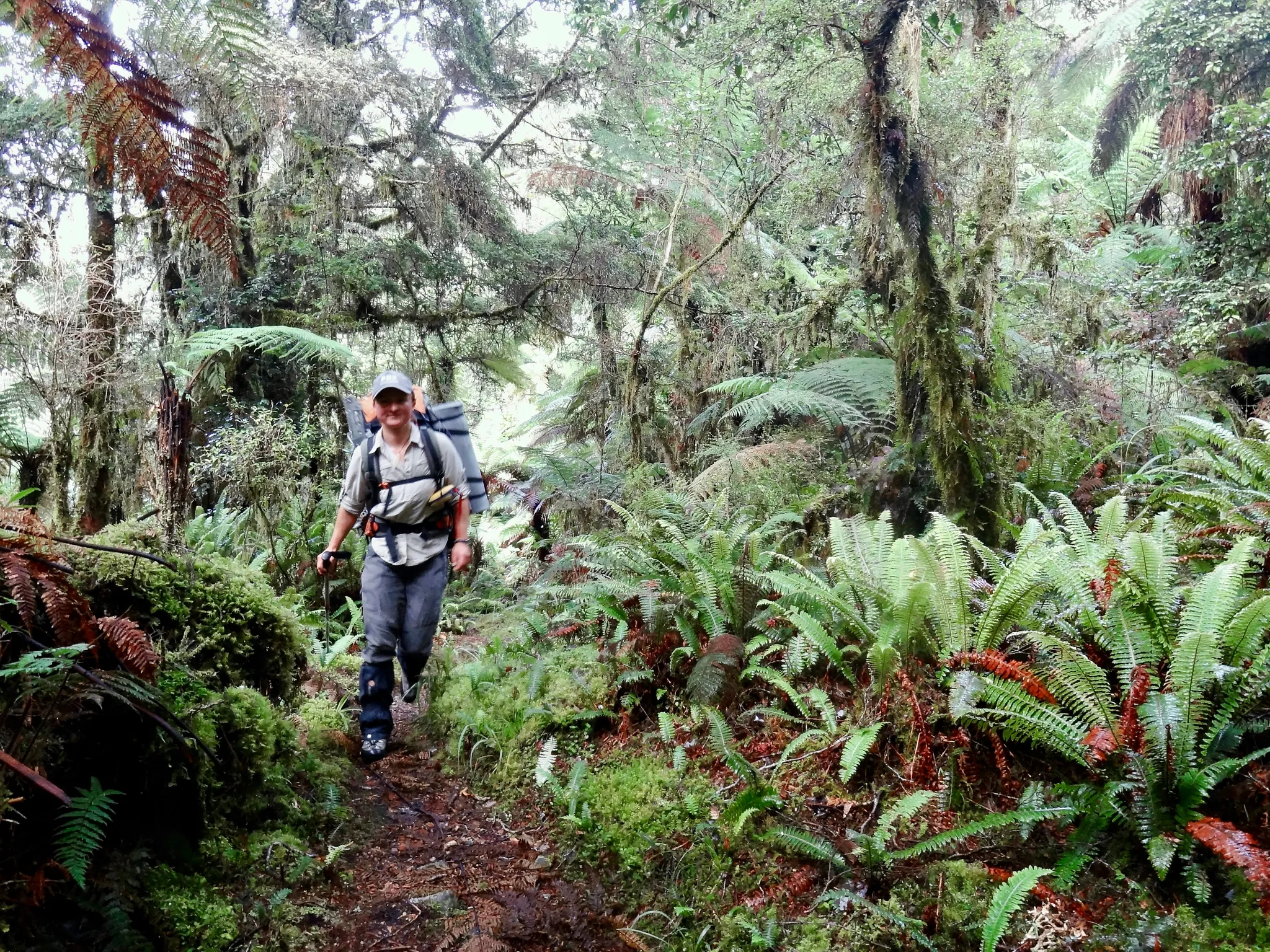
In the morning, we left Homer Hut and drove to the start of the track up the Tutoko valley. We parked the van on the roadside, shouldered our packs and set off.
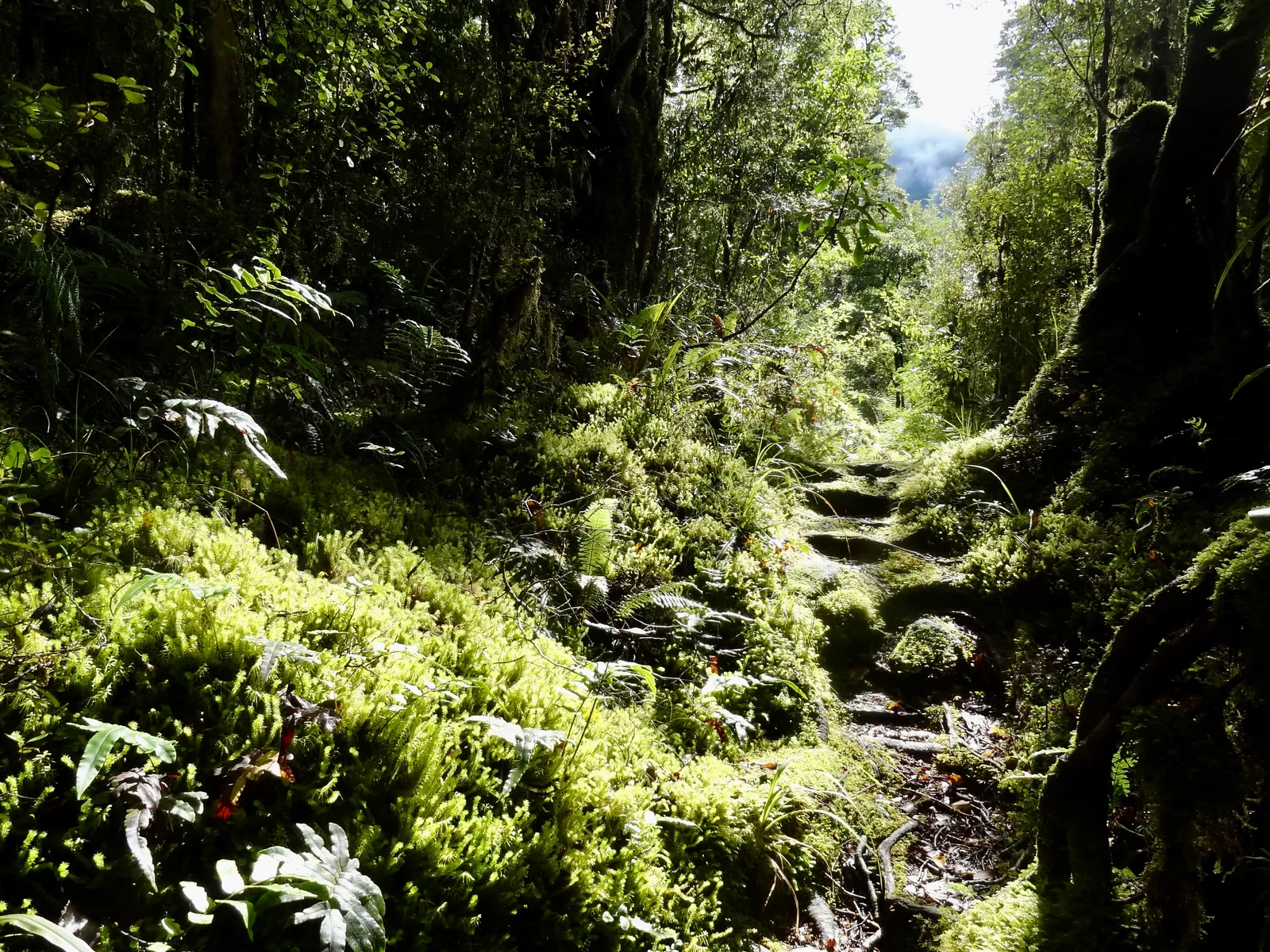
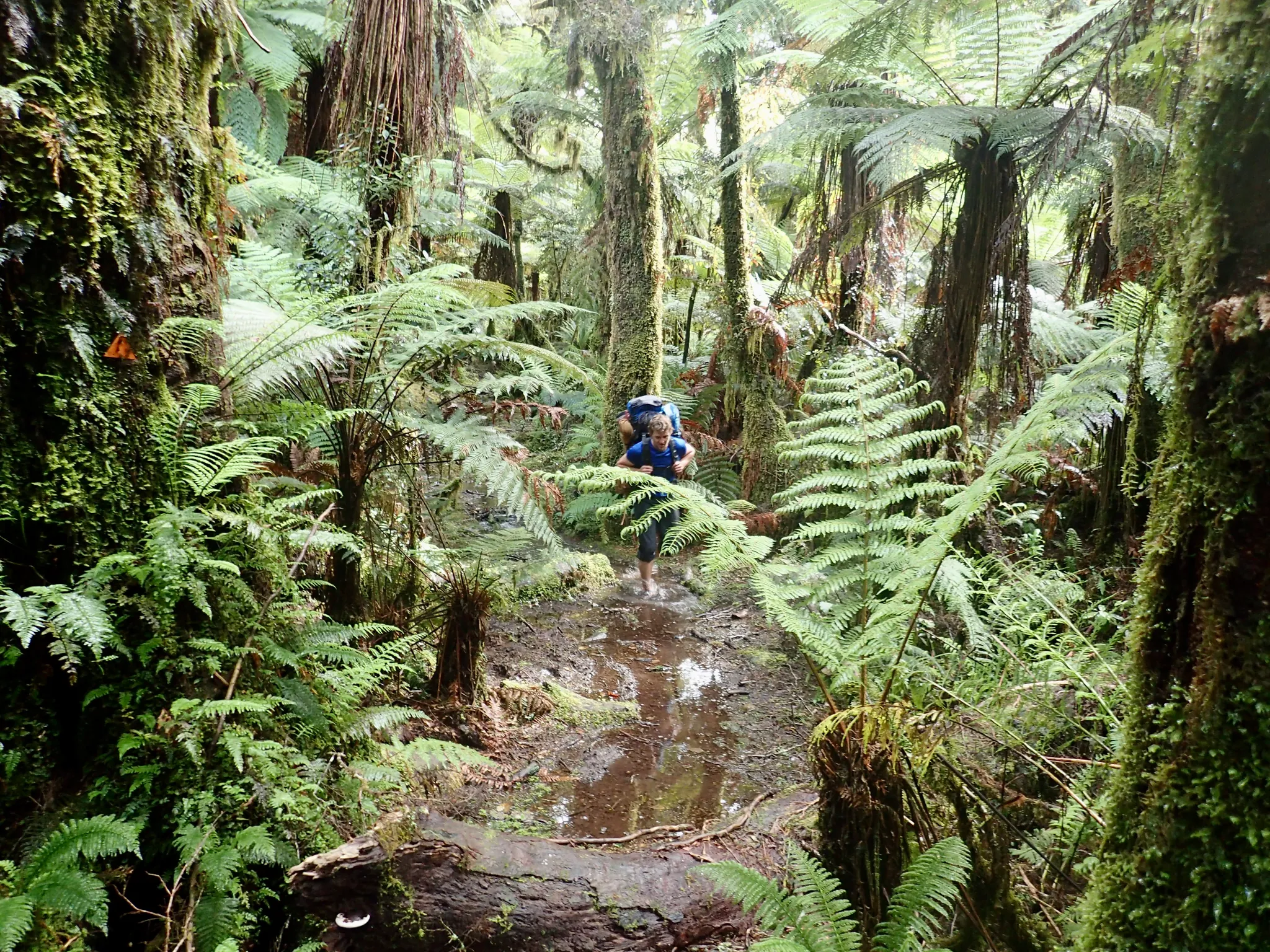
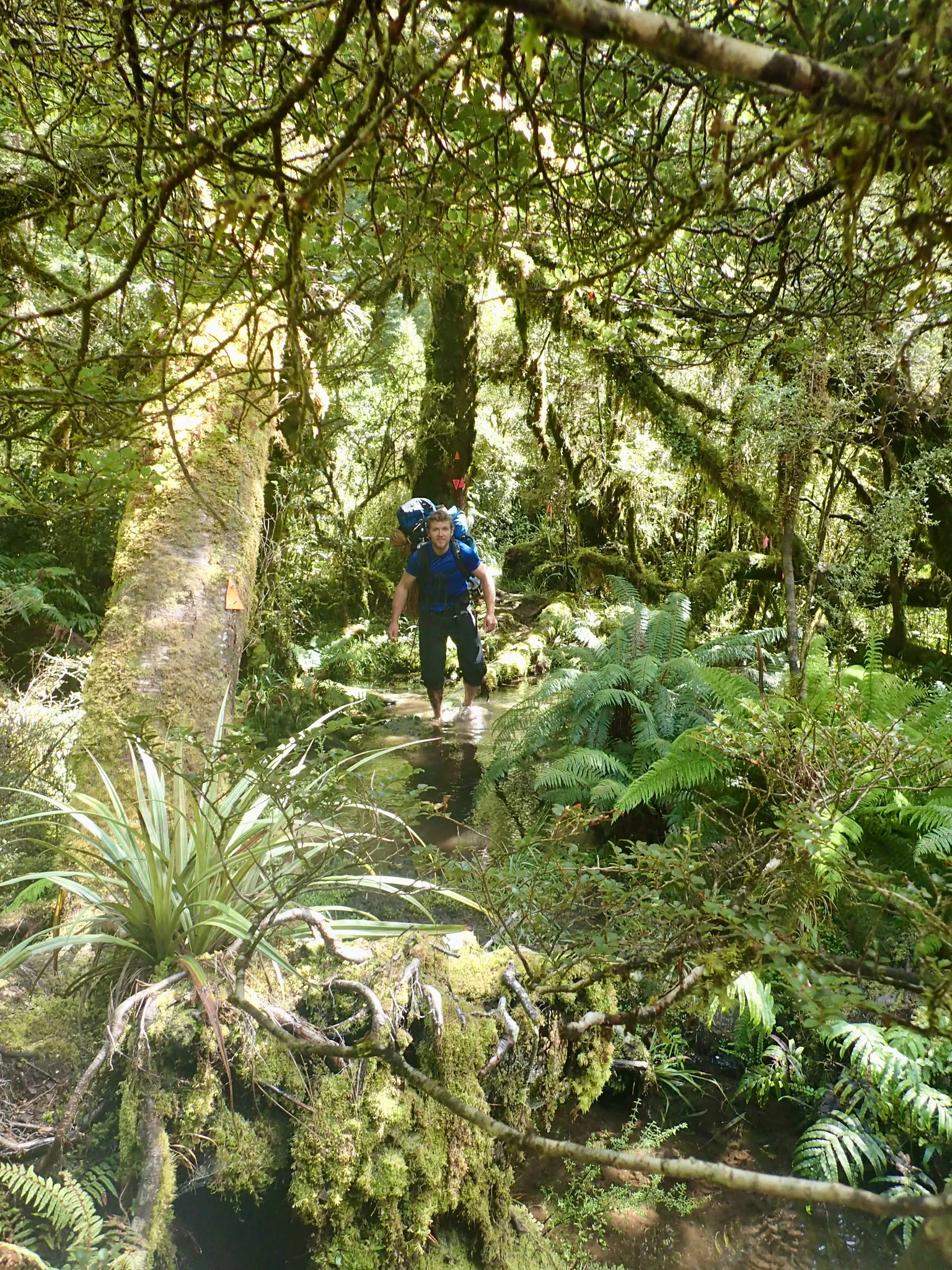
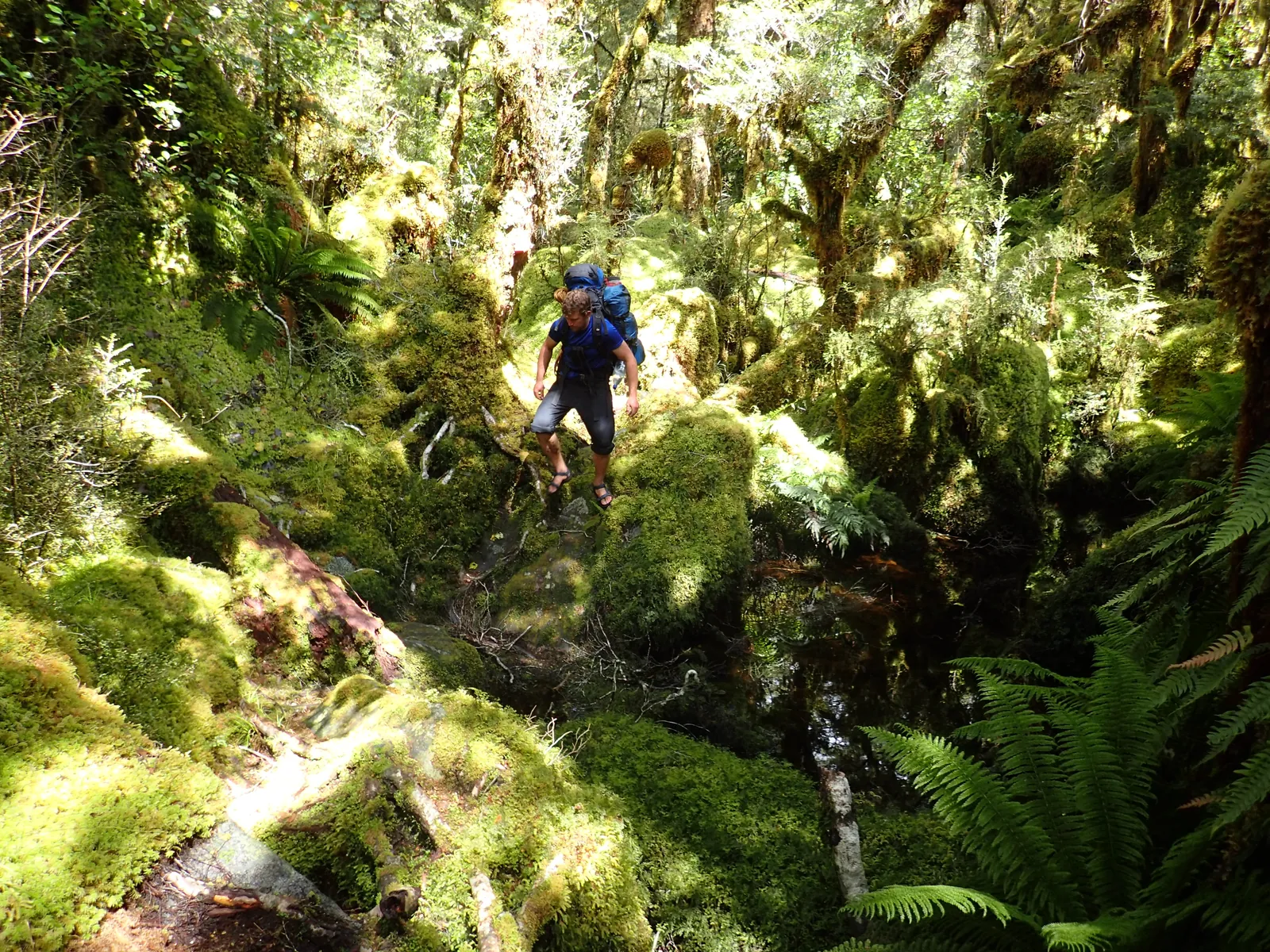
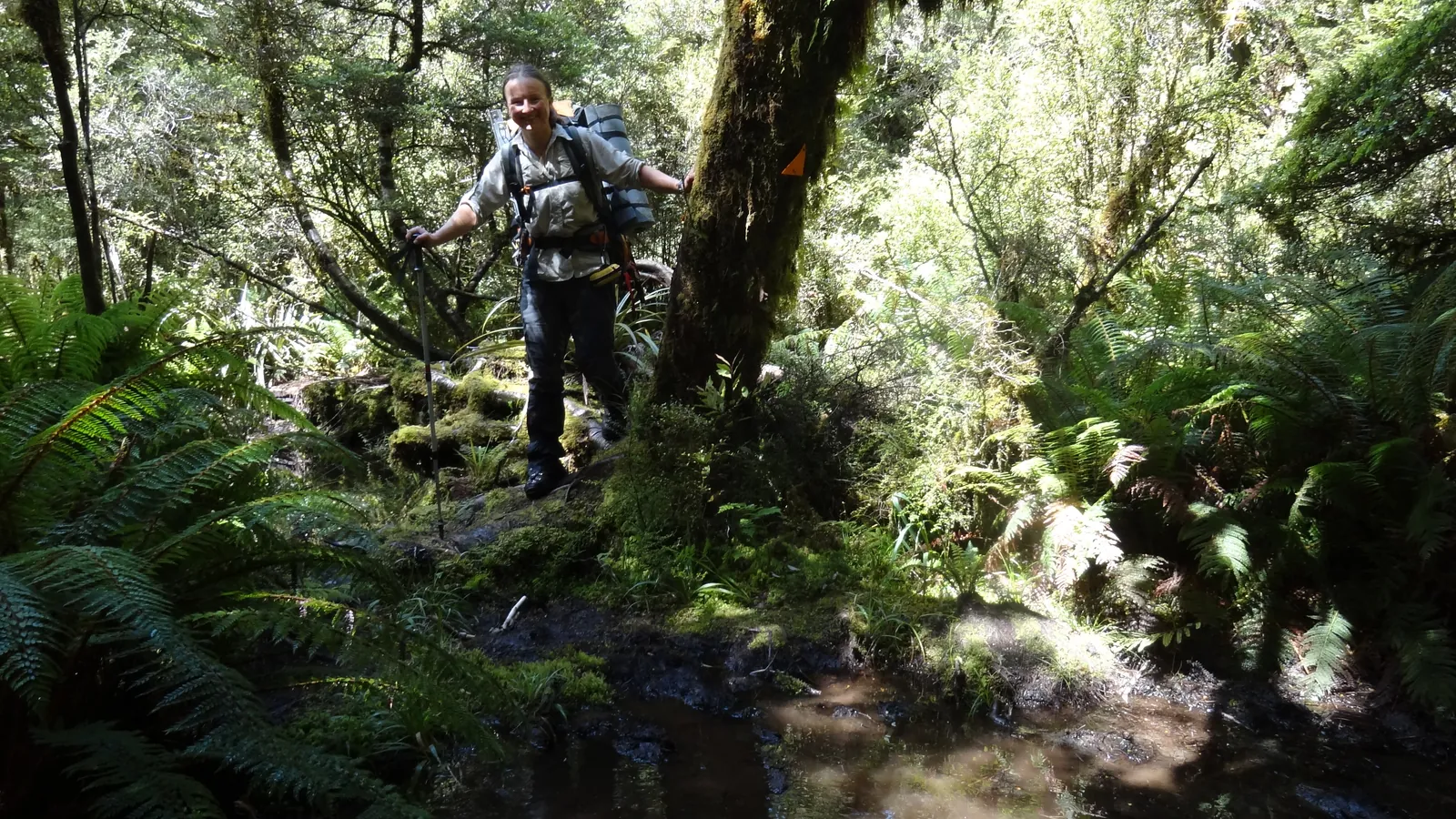
At first, the walking was very comfortable, on soft, springy ground between tall ferns and moss-covered trees. The DoC track ended three-quarters of the way up the valley. From there, we followed the river until we reached the place where we had to cross it. After several days of heavy rain, the water was high and the current strong.
Willi went first. At one point, the current knocked him off his feet, but he quickly regained his balance and made it across. I’m much shorter. I tried to find somewhere even a little shallower. No luck. There was no better way across.
My trekking poles started vibrating
About halfway across, the water was already up to my thighs. Further on, it grew deeper and the current picked up. At one point, the trekking poles I was leaning on started vibrating. I knew it would only get worse ahead.
When the water reached my waist, I could no longer keep my footing. The current swept me away. I tried to stand, briefly regained my footing, then found myself in the water again.
My thoughts were racing. The river was wide. Out of the corner of my eye, I spotted my mountain boots, which had been hanging from my pack. Now they were drifting downstream!
I instinctively went after them. After a few metres, I managed to grab the laces.
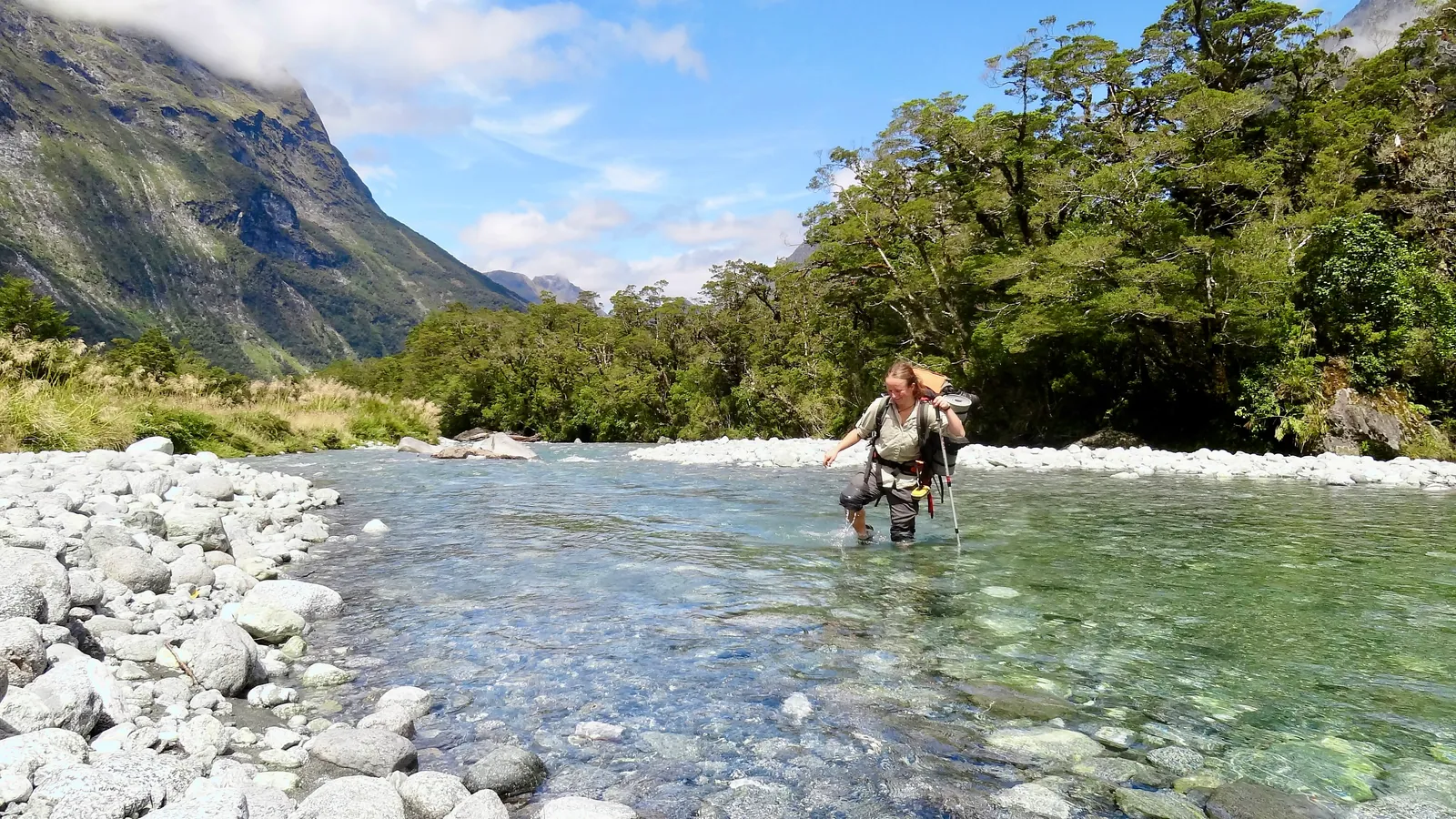
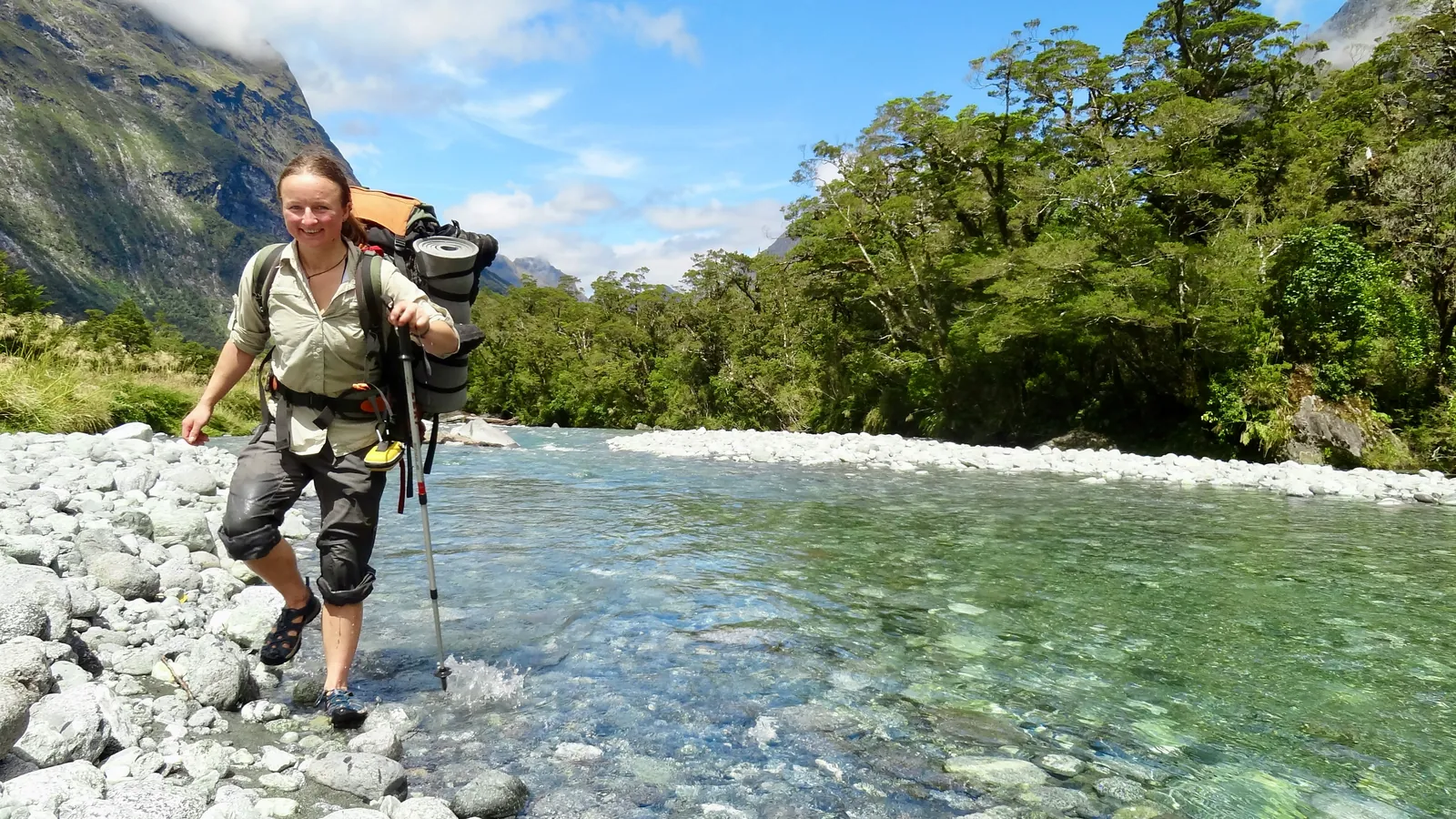
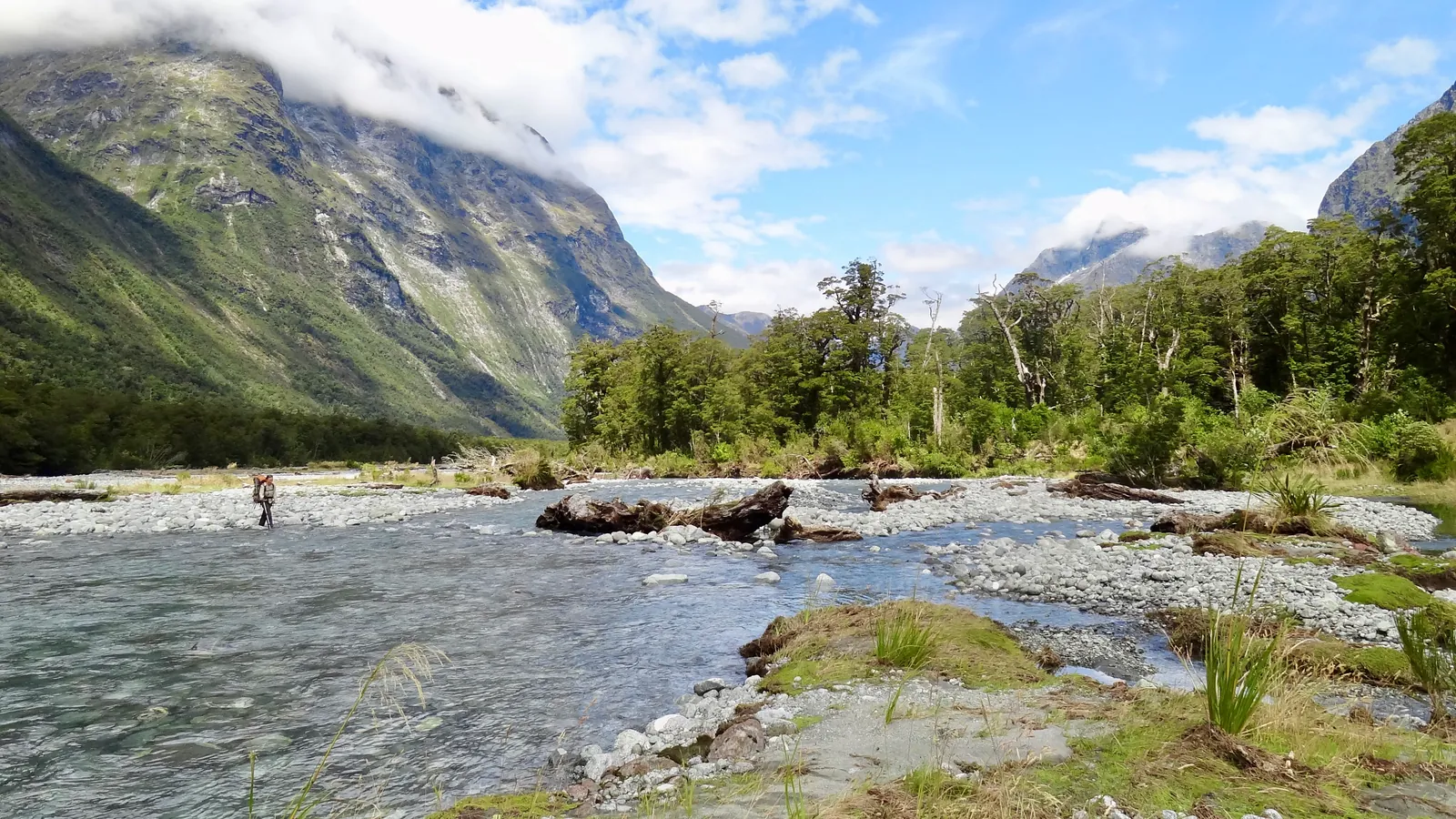

In all the confusion, I was surprised by how buoyant my pack was. That heavy load, with gear and food for five days, wasn’t dragging me down at all. It stayed afloat.
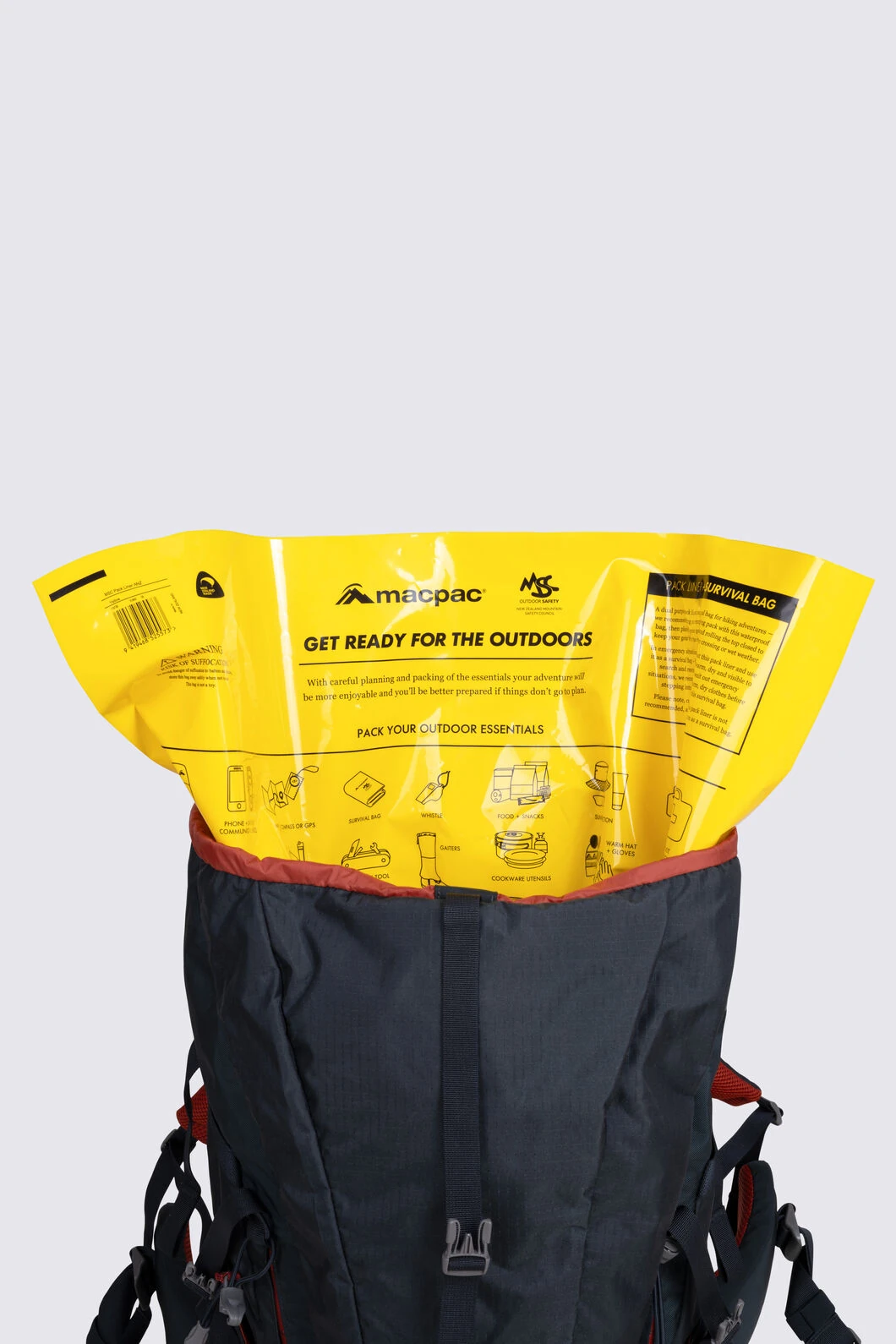
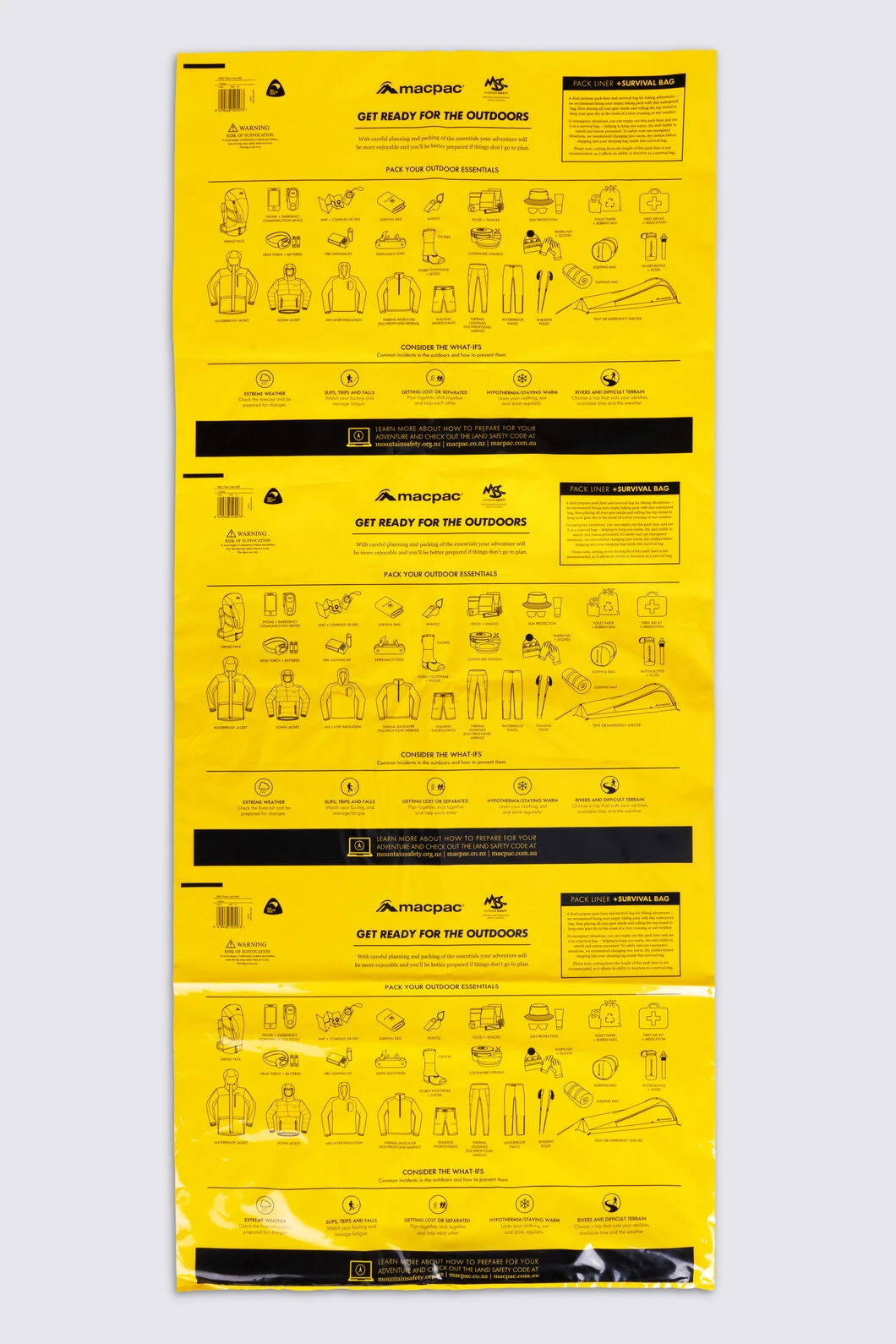
I had a waterproof bag called a Pack Liner. No advanced technology, just a large yellow bag made of tough plastic. A very popular solution among New Zealand trampers. Everything went into that bag first, then into the pack. I knew in theory that a pack loaded this way should be buoyant, but I’d never tested it before. Wow, this really works!
A trapper’s camp
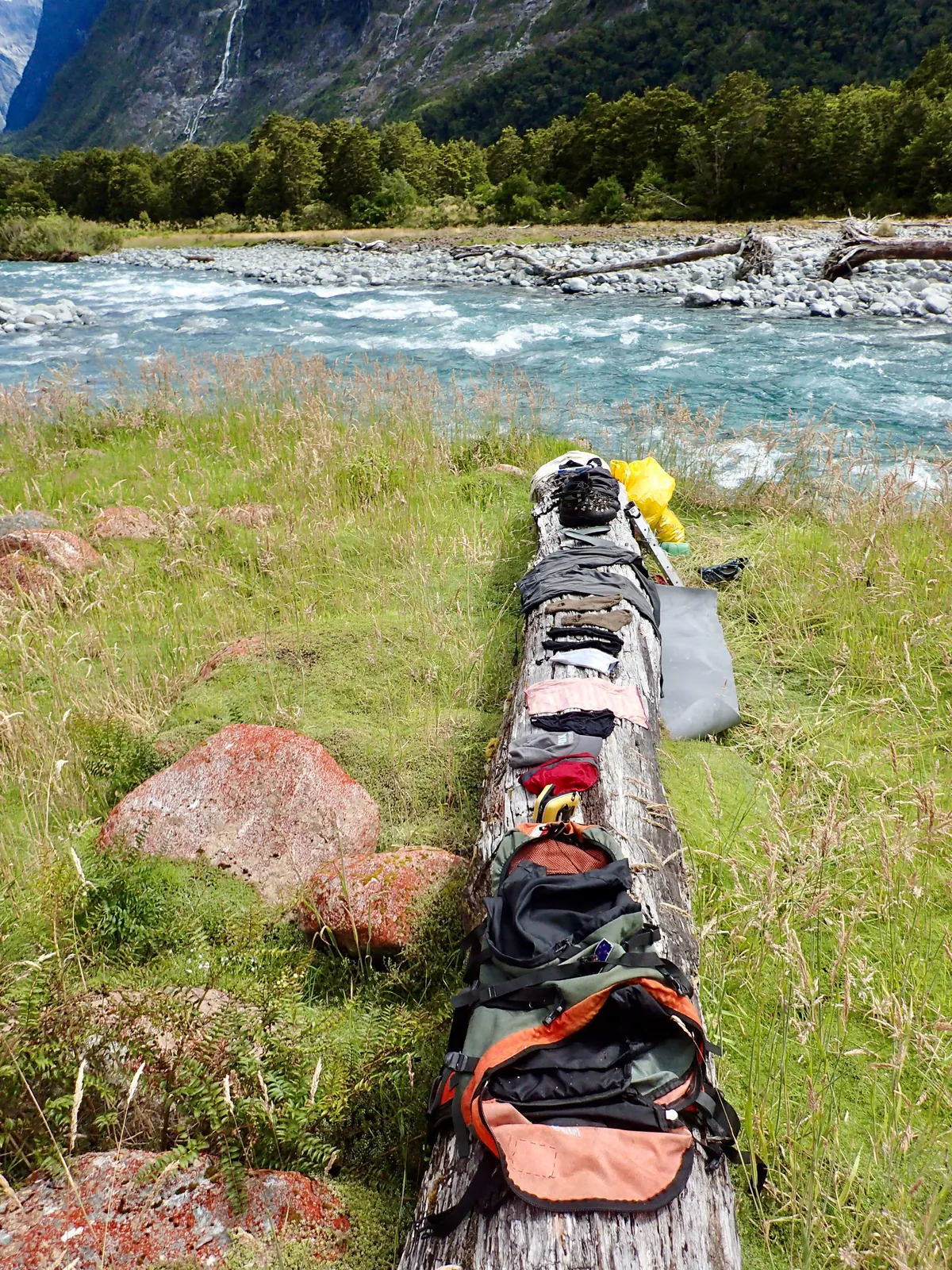
A huge fallen log jutted out from the bank into the water. It was perfectly placed. I grabbed it and hauled myself ashore. Then I spread my wet things on the same log to dry in the sun.
I was soaked through. Luckily, my spare clothes and gear had stayed dry thanks to the liner. The boots were the biggest problem, though. Those clunky mountain boots needed much more time and effort to dry.
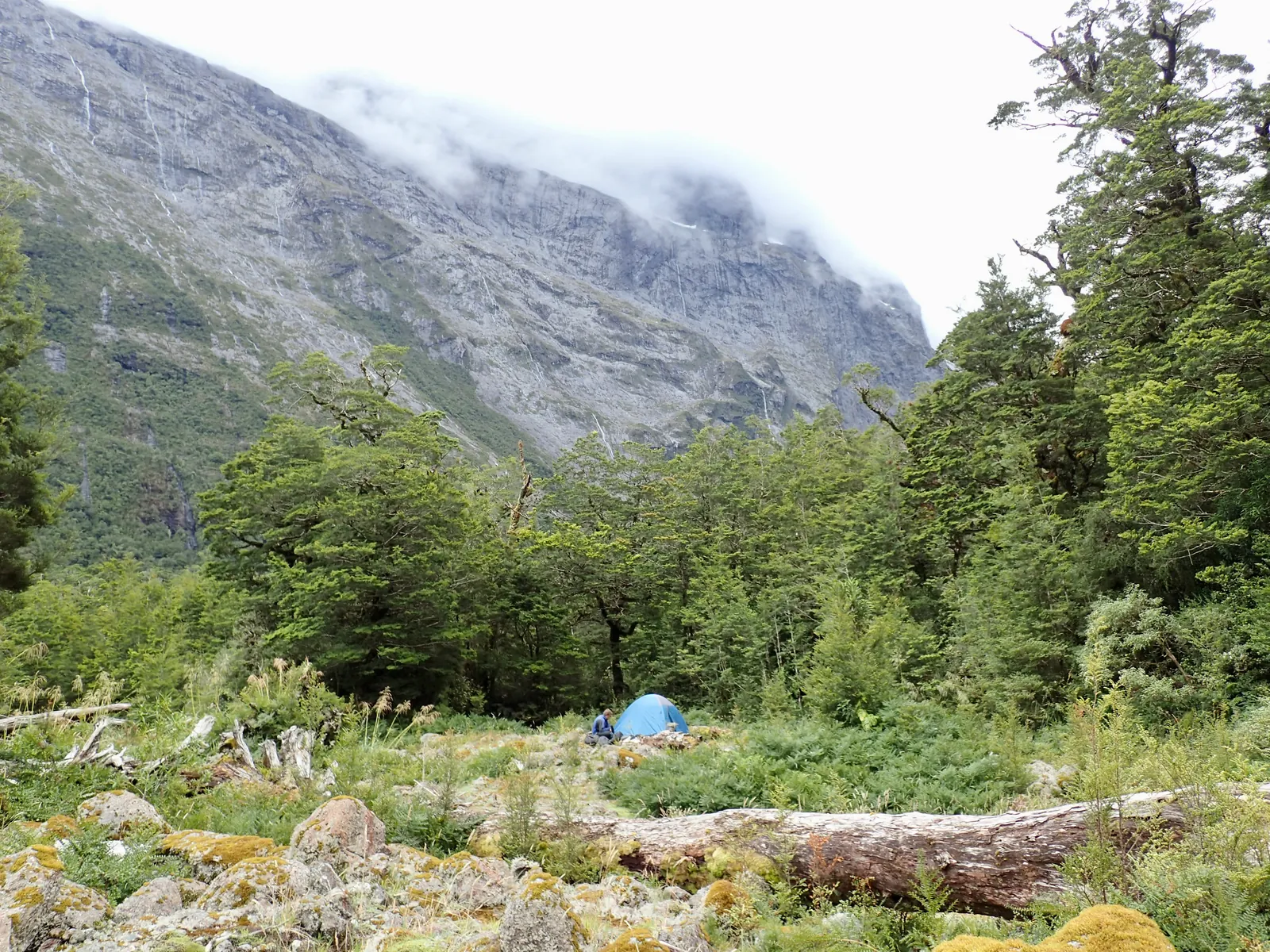
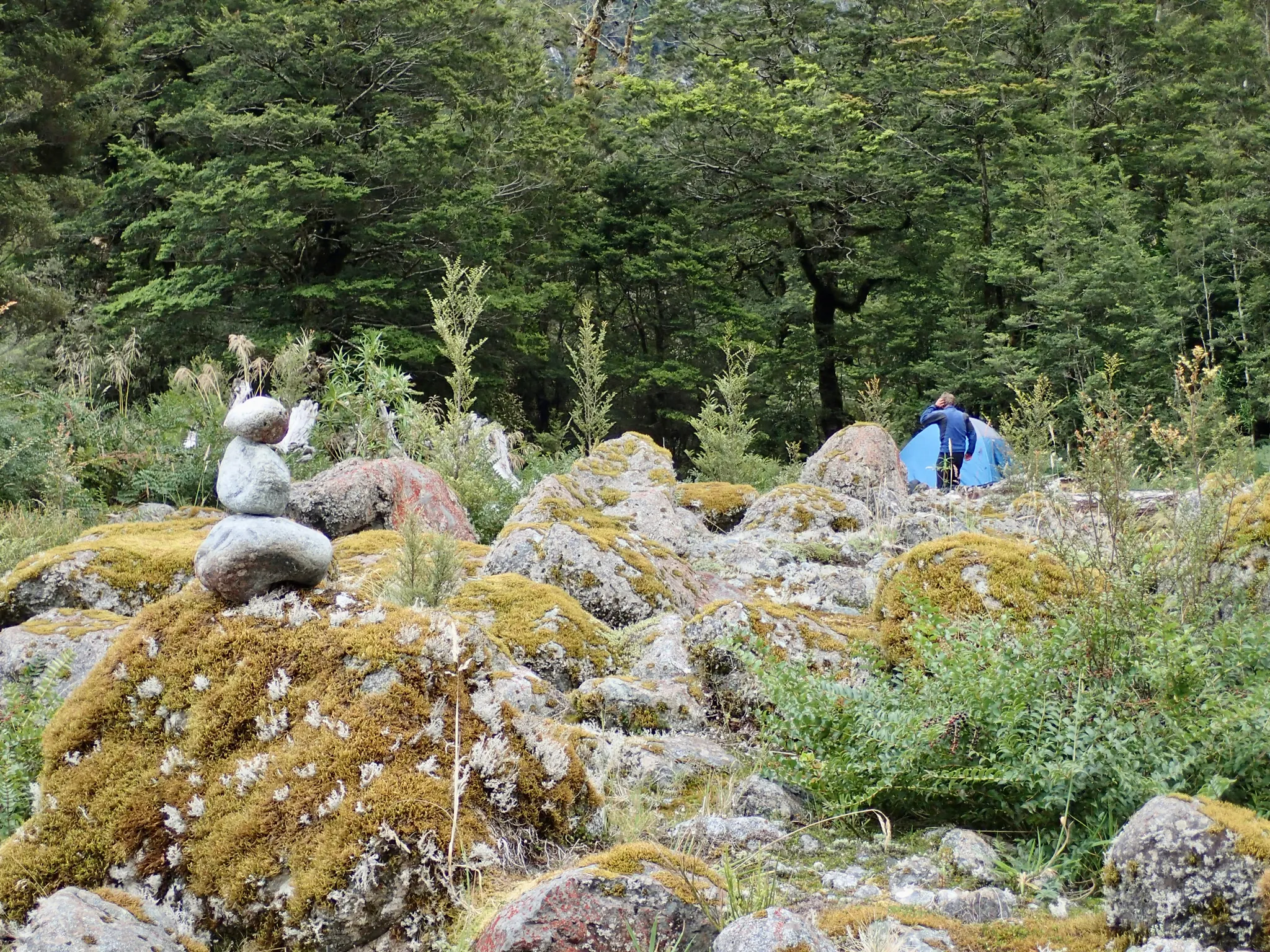
Camping was the obvious decision. We pitched the tent at the confluence of Leader Creek and the Tutoko River. This early camp cost us a few hours, but there was no other option.
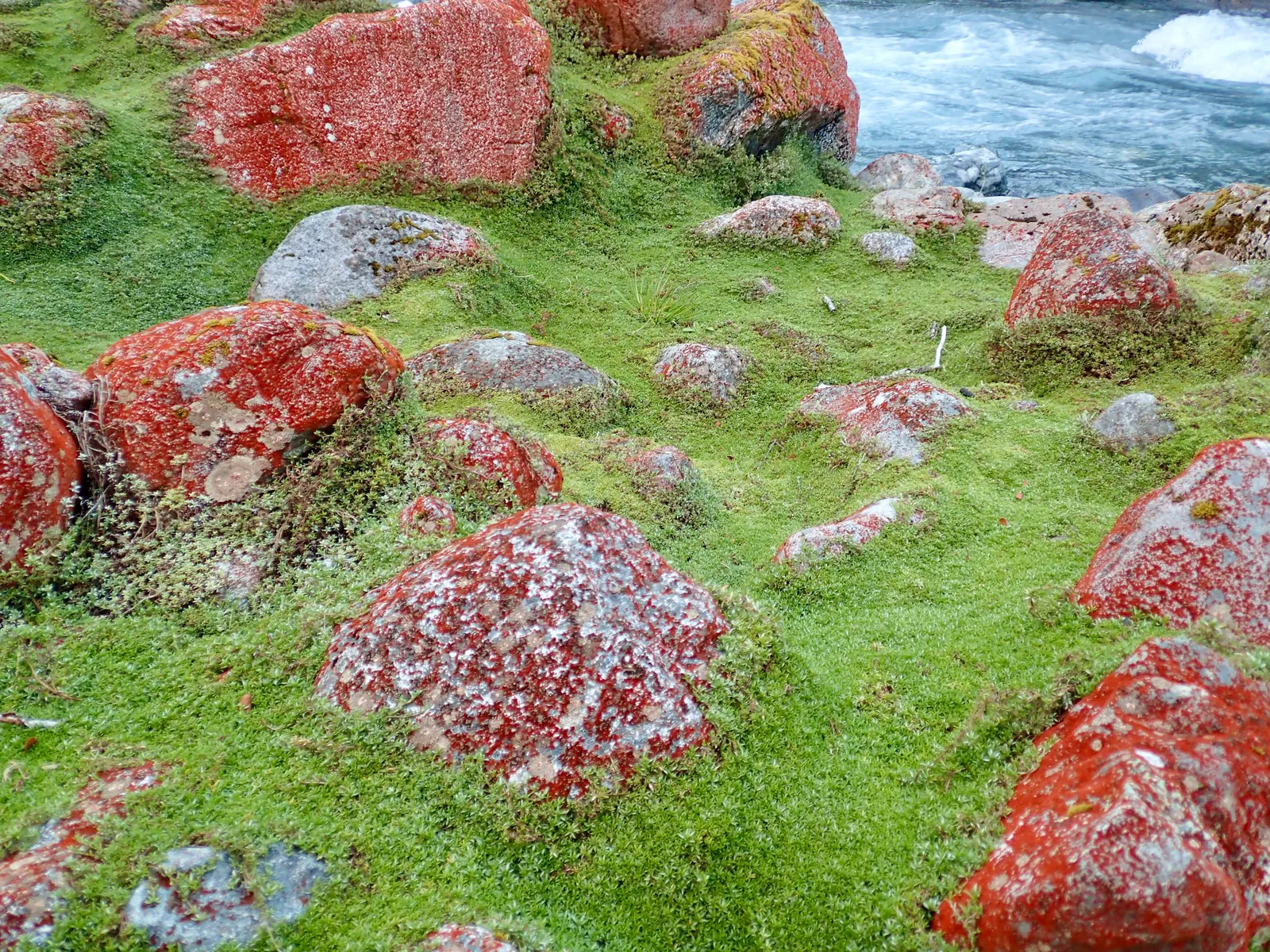
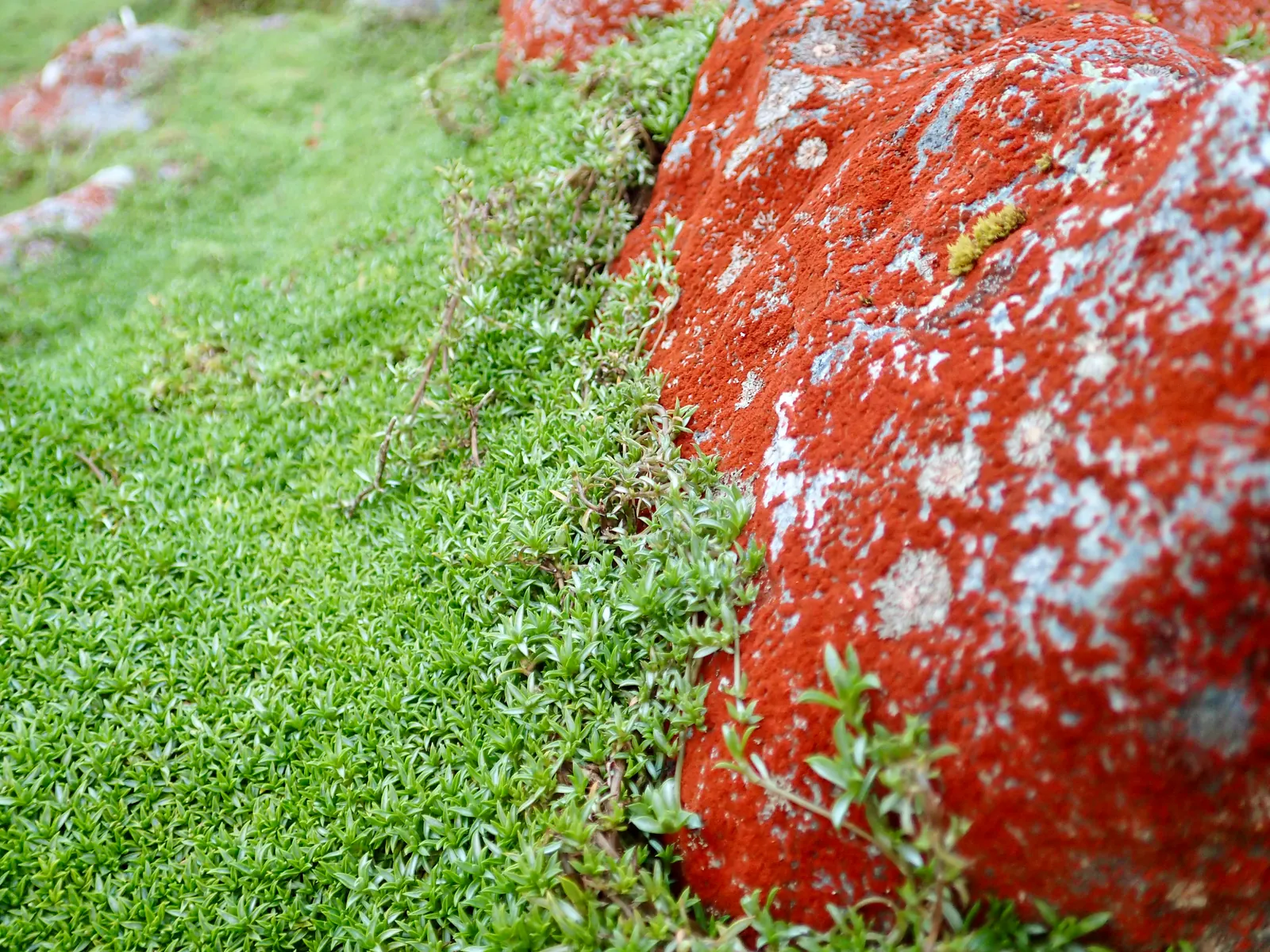
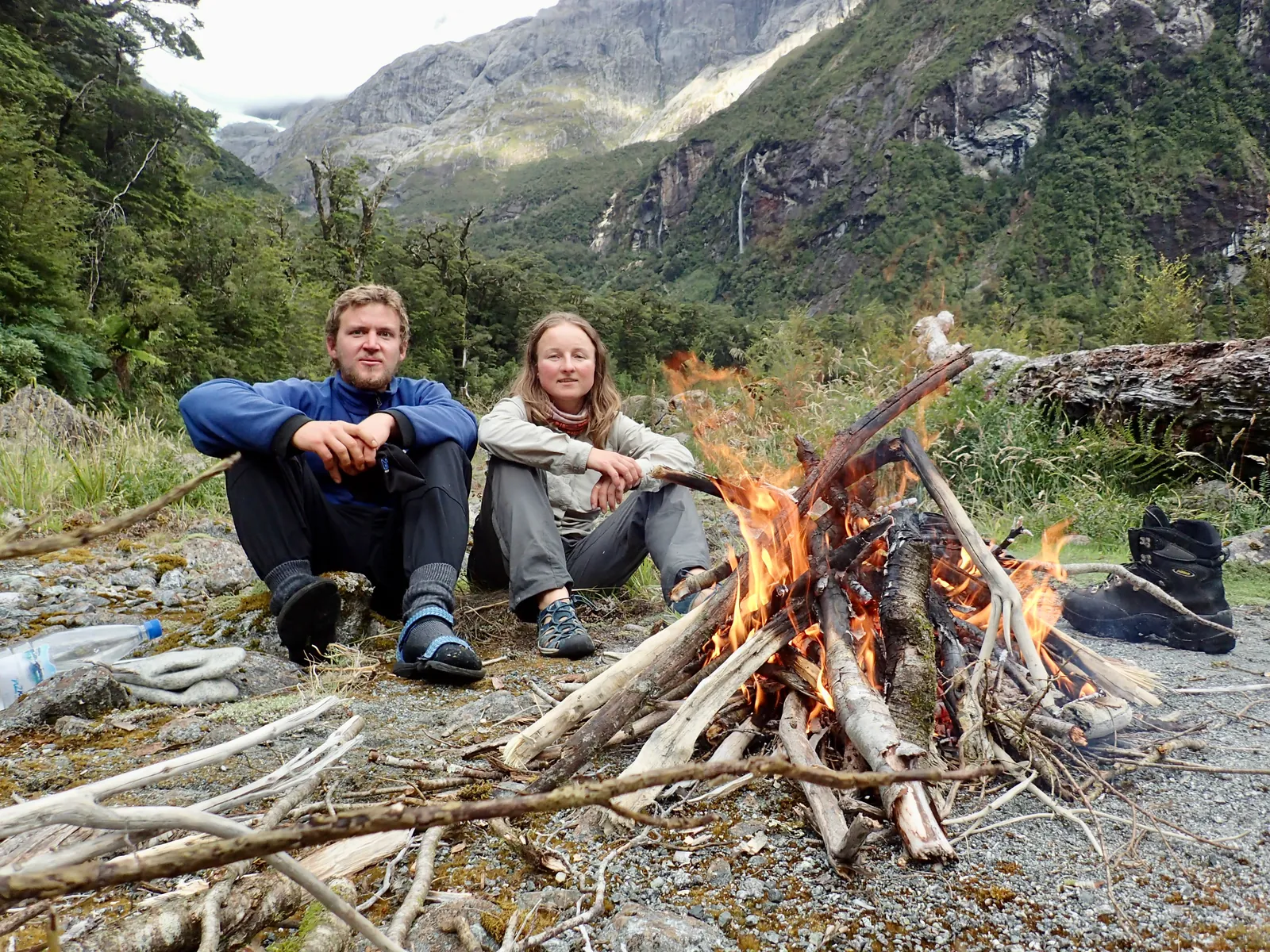
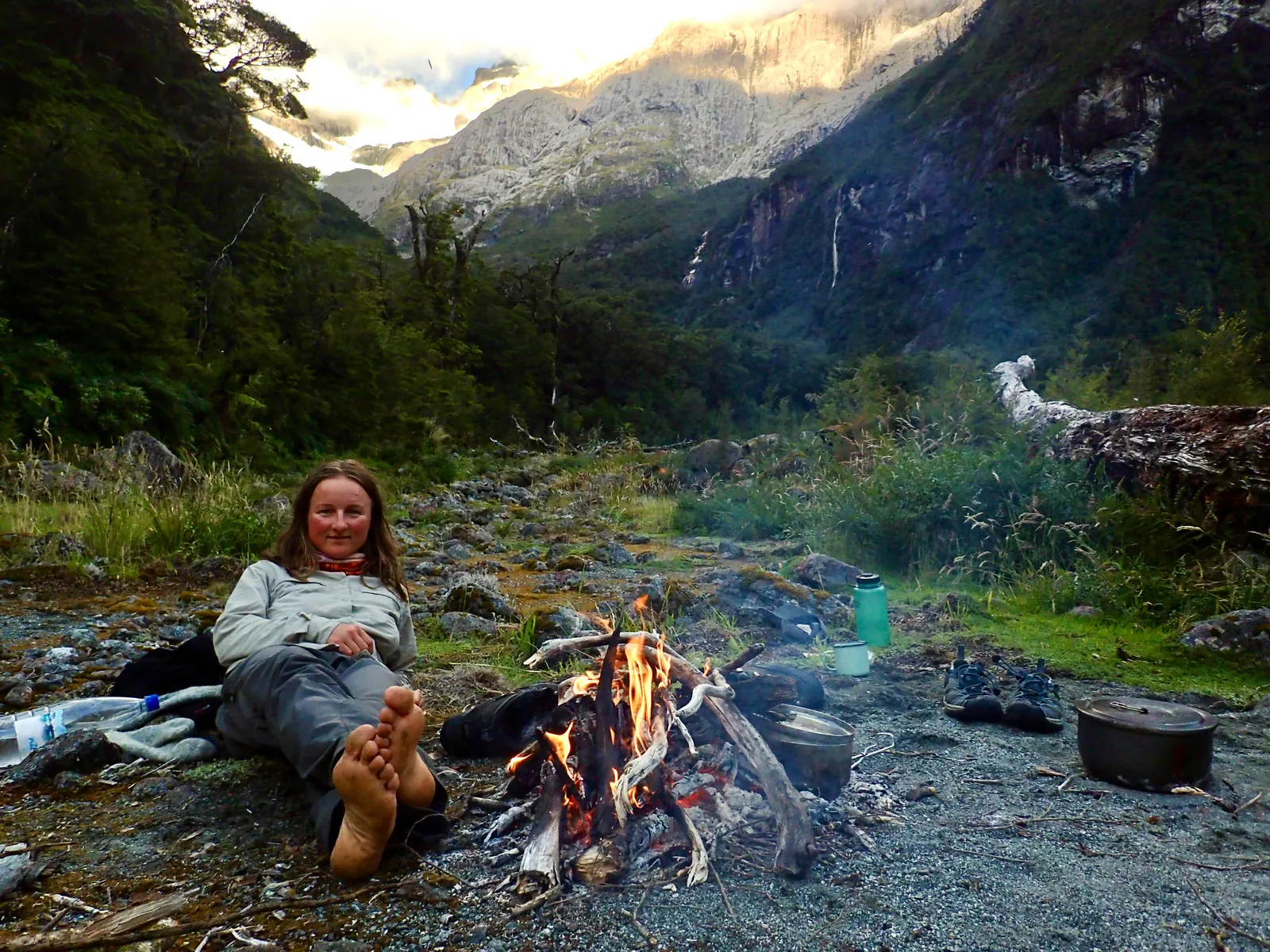
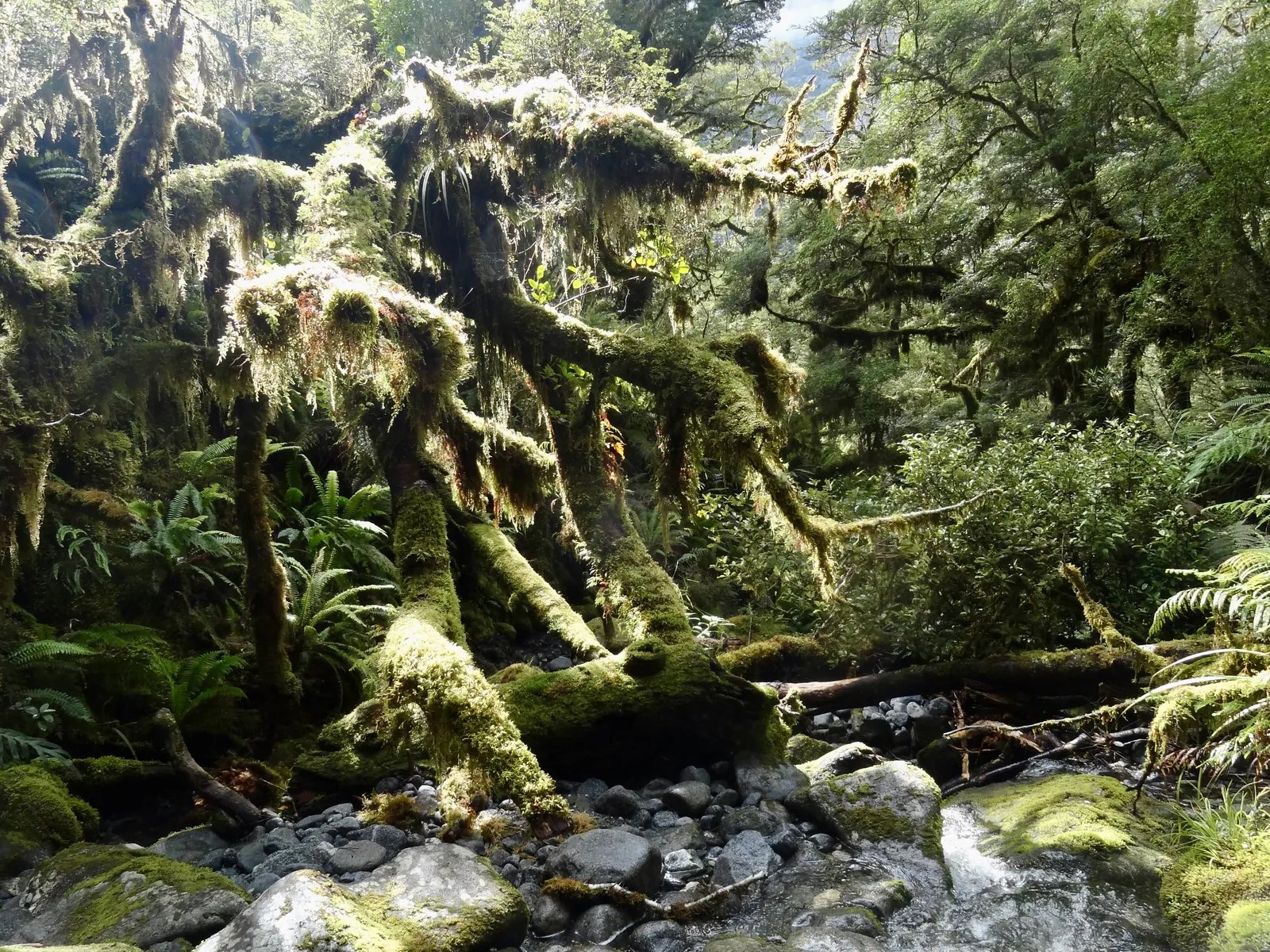
The evening turned out to be very pleasant. The blue river, lush green trees, rocks covered in orange lichens and vivid green moss. And a campfire to complete the scene. A proper trapper’s camp.
But just so things wouldn’t be too perfect, the sandflies appeared in the evening: tiny, bloody annoying biting flies.